



Clases de capacitación en RCP – Academia de atención médica – Certificación BLS en línea
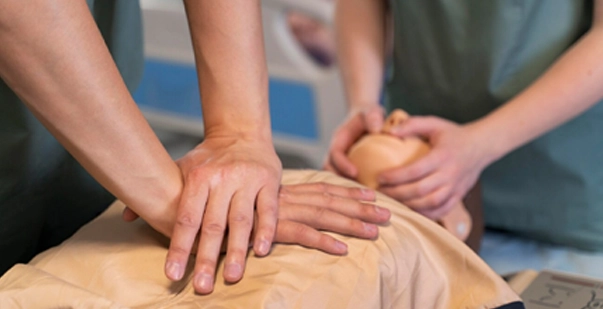
Imagine witnessing one of your colleagues collapse at work and becoming unresponsive. The reason could be sudden cardiac arrest, which is one of the leading causes of fatalities worldwide.
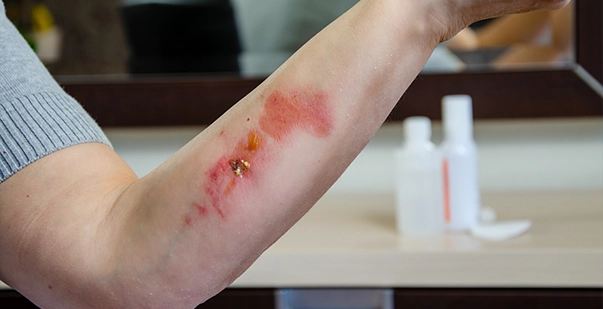
According to the National Library of Medicine, chemical burns account for 3-5% of burn reports annually in the United States. These injuries can happen anywhere – at home, in the workplace, or outdoors.
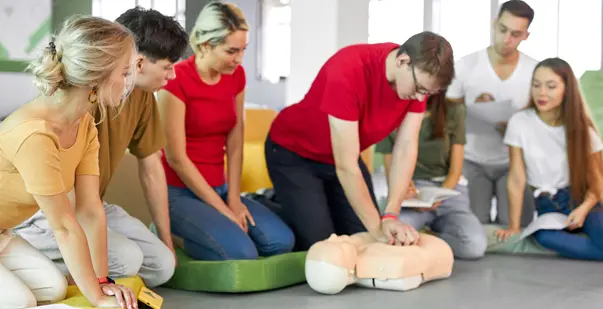
The nature of unfortunate events is unpredictable, often occurring unannounced and unexpected. Whether it’s a near-drowning incident or a sudden seizure, a medical emergency can quickly turn a calm moment into a complete disaster.
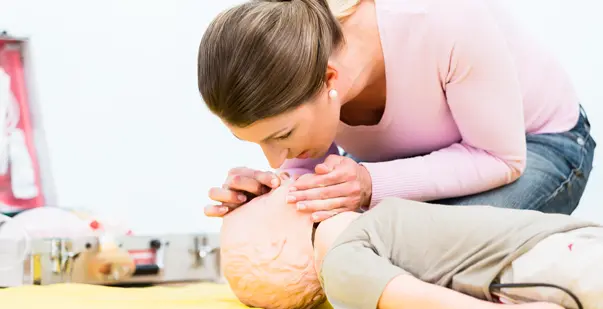
Rescue breathing is a first aid technique for individuals who have stopped breathing. It involves blowing air into a person’s mouth to supply oxygen and is part of cardiopulmonary resuscitation (CPR). The technique can vary depending on whether it is performed on an adult or a child.
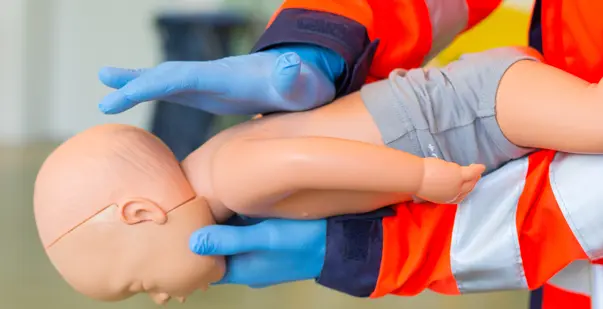
Choking in infants is a terrifying scenario that can happen unexpectedly and is every parent’s worst nightmare. Between the ages of six and eight months, a startling 35% of babies choke at least once. We aim to provide you with straightforward, actionable
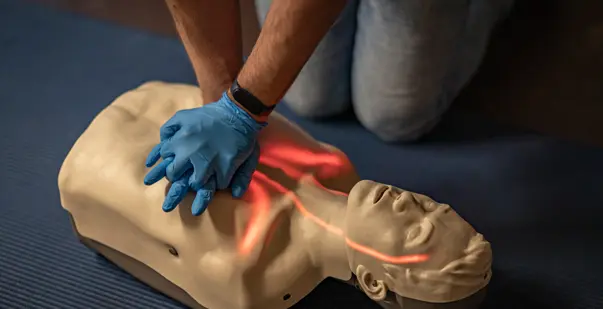
CPR (Cardiopulmonary Resuscitation) combines chest compressions and artificial ventilation to restore blood circulation and oxygen supply to vital organs. Knowing the CPR success rate is important

Panic attacks are sudden and intense feelings of fear. Anxiety disorders are the most common mental illness in the U.S.
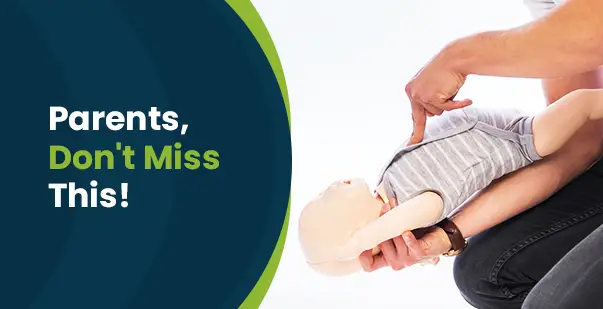
Cardiopulmonary resuscitation is one of the most crucial skills that everyone must know. This is especially true for healthcare professionals, parents, and caregivers.

Children often feel anxious about different things in different age groups. Most children tend to worry, which is normal while growing up.
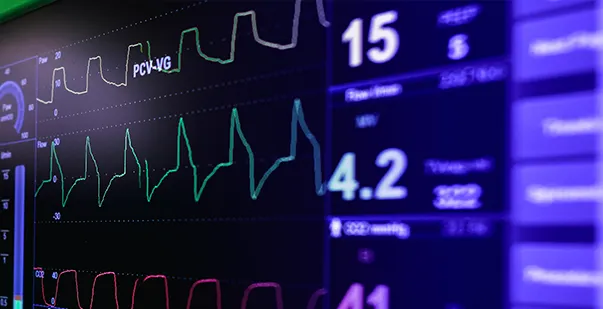
Pulseless Electrical Activity (PEA) is a critical medical condition where the heart’s electrical system functions, but the heart muscle fails to contract effectively, leading to
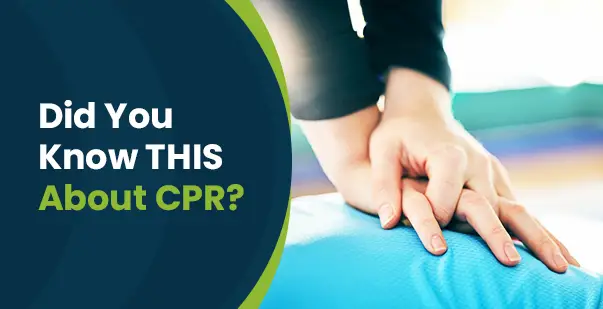
According to the American College of Cardiology, about 2 in every 50 U.S. high schools will see a sudden cardiac arrest (SCA) each year. While