



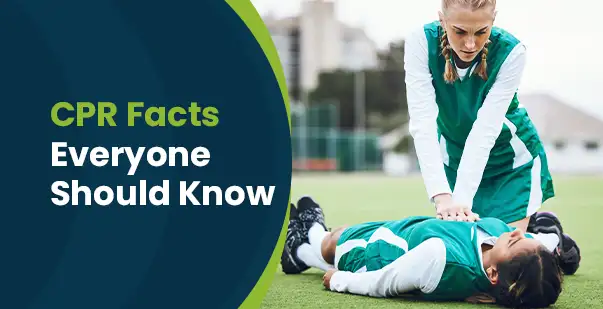
Surprisingly, nearly half of Americans don’t know how to do CPR, even though it could help save someone’s life. Cardiopulmonary resuscitation (CPR) is the best lifesaving technique that can increase a person’s chances of survival in emergencies. It is specifically beneficial for individuals experiencing sudden cardiac arrest (SCA). SCA is an electrical malfunction in the heart that causes it to stop beating suddenly. Unfortunately, nearly half of America lacks knowledge of this technique, with only 51% of them being able to perform hands-only CPR correctly. Therefore, the out-of-hospital cardiac arrest (OHCA) survival rate is around 10% only.
This could mean many people may be unprepared to act in critical moments where it becomes important to assist people in emergencies. Therefore, it is recommended for everyone to understand CPR procedures so that they can save more lives. So, keep reading to learn the top CPR facts you must know to be prepared for any situation.
Top 10 CPR Facts Everyone Should Know!
Every passing second becomes important when someone’s heart stops beating. A trained or lay responder, everyone should learn to stay prepared for such emergencies. Yet, many hesitate in emergencies, not out of fear, but because they don’t know what to do. Let’s fix that. Here is a list of the top 10 CPR facts to help you get started:
- CPR Increases Survival Rates by 2 to 3 Times
Immediate CPR can increase a person’s chance of survival significantly after a cardiac arrest. CPR does not restart the heart. It maintains blood flow until defibrillation or advanced life support is provided. In medical terms, this increases the likelihood of a positive outcome by 2 to 3 times. The human brain can suffer damage if it stays 4-6 minutes without any blood flow.
- Hands-Only CPR is Effective
Hands-only CPR is the process of providing chest compressions without mouth-to-mouth breaths. You must note that this applies only to adult sudden cardiac arrest, not pediatric cases or respiratory arrest (like drowning, overdose, etc.), where rescue breaths are crucial.
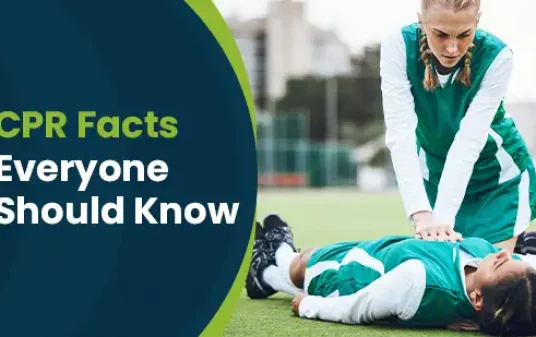
Chest compressions can actually circulate oxygen-rich blood to the brain and key organs if administered correctly. This buys you time until professional medical help arrives or an automated external defibrillator (AED) is brought along to help the patient.
- Compression Rate is Necessary
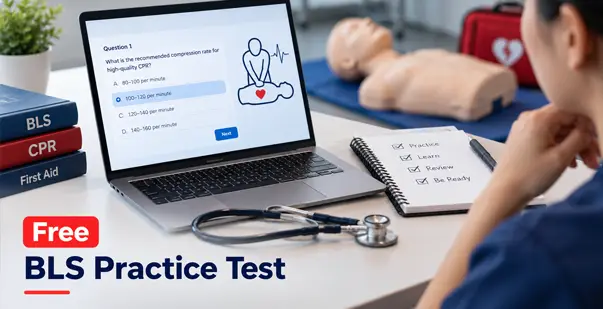
The speed of chest compressions during CPR must be accurate because it helps pump blood to the brain and heart. This applies especially when someone’s heart has stopped. Usually, the accurate rate must be 100 to 120 compressions per minute. Please note that too slow compressions might not let the blood circulate properly or too fast will not allow the heart to refill properly between compressions. The best trick is to push to the beat of songs like “Stayin’ Alive” by the Bee Gees or “Crazy in Love” by Beyoncé, which match the rhythm.
- Compression Depth Matters
Getting the right depth when doing CPR helps keep blood moving to the heart and brain of the individual during emergencies. You must press down at least 2 inches with each compression when dealing with adults. This depth often helps you create enough pressure to push blood through the person’s body. During cardiac arrest, the heart is not pumping on its own. CPR does not restart the heart. It manually forces blood flow through chest compressions. If compressions are too shallow, the brain and organs won’t get the oxygen they need, and survival chances drop significantly.
- Defibrillation Always Complements CPR
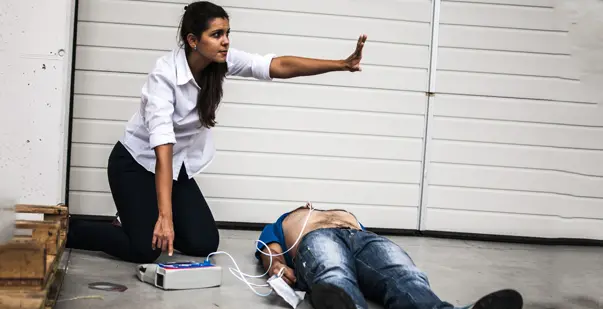
Defibrillation is one of the key steps in the treatment of cardiac arrest because it involves delivering an electric shock to the heart with an AED. CPR indeed provides blood flow to the brain and organs, but the chances of survival increase further if it is combined with defibrillation. Start CPR and use an AED fast. According to the AHA, people who receive a shock from a publicly available AED before EMS arrival have a greater than 50% survival rate, more than double the average.
- CPR Differs by Age
CPR techniques vary significantly based on an individual’s age. That is because all infants, children, and adults have different physiological and anatomical needs.
- For Adults: Standard CPR for adults involves 30 chest compressions followed by two rescue breaths.
- For Children (Ages 1 to Puberty): As an emergency responder, you can use one hand for compressions if they are small. Moreover, the compression depth must be about 2 inches (or ⅓ the chest depth).
- For Infants (under 1 year): You must use two fingers for compressions and ensure the depth is only about 1.5 inches (or ⅓ the chest depth). For infants, use two fingers in single rescuer and two thumbs encircling the chest for two-rescuer CPR.
- AEDs are Designed for Anyone to Use
AEDs feature clear, step-by-step audio and visual prompts to guide users through the process of delivering a shock to a person experiencing cardiac arrest. This user-friendly design of the defibrillator ensures that even individuals without medical training can operate the device effectively. Some AEDs even have pediatric pads or switches. These should be used for children under 8 years or under 55 lbs if available. AEDs can also analyze the heart’s rhythm to determine if a shock is needed. This safety feature helps protect both the rescuer and the person in emergencies. Yet, only 50% of employees in the U.S. can locate one at their workplace.
- CPR Can Be Physically Demanding
Doing CPR can be difficult because it takes massive energy to keep it up. To do it right, you must press down hard and fast on the person’s chest. You must press down about 2 inches deep and do the CPR at a pace of 100-120 times a minute. This can also make you tired quickly. For example, anyone doing CPR on an adult might get out of breath after a few minutes. The best thing to do is to switch with another person so that the compressions stay strong.
- Every Minute Counts
During cardiac arrest, the heart stops beating. That means blood stops circulating unless someone intervenes. CPR acts as a manual pump, keeping blood and oxygen flowing to the brain and other organs. Every minute without CPR reduces the chance of survival. Without blood flow, brain cells begin dying within minutes. That’s why immediate action matters. Moreover, anyone with heart disease may need immediate assistance, and the only advice here is to act as quickly as possible.
- CPR Training is Readily Available
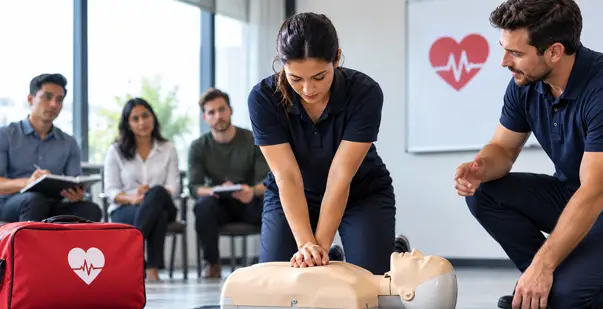
Training in first aid, CPR, and basic life support (BLS) is widely accessible through multiple platforms, such as community centers, online courses, and other workplace training programs. What many individuals may overlook is that some CPR courses also offer simulation-based learning. In these courses, participants can easily practice high-fidelity manikins that mimic real-life scenarios. This often includes learning more about physiological responses like realistic chest rise and even audio feedback to understand the effectiveness of compressions.
This immersive experience can improve a learner’s confidence and skill retention. This prepares them specifically for actual emergencies more effectively than lecture-based training. The best part about these CPR courses is that they can be completed in just a few hours. This makes it easier for you as an emergency responder or healthcare professional to become equipped with life-saving skills.
Read More: CPR and First Aid in Coastal Work Environments: A Must-Have Skillset
What are the 4 Common CPR Myths?
CPR training is among those certifications that promote a safer work environment. Not everything you hear about CPR, chest compression, or AED usage techniques is true. On that note, here is an overview of the key CPR myths and facts you might not know to prepare yourself for real-life emergencies.
Myth 1. Sometimes, CPR Doesn’t Work. So, Did I Do it Wrong?
Truth: Not necessarily. CPR isn’t foolproof and won’t always restart the person’s heart. So, it is obvious that the technique won’t always keep the individual alive until emergency medical personnel arrive. Losing a person during CPR doesn’t mean you did it wrong. This may mean the CPR didn’t work for that person this time. However, the fact is that survival rates nearly double if you provide CPR on time.
Myth 2. CPR is a Relatively New Technique
Truth: That’s not true because CPR has been around for several years and here’s a detailed timeline:
- 1734: A Scottish surgeon revived a coal miner using mouth-to-mouth resuscitation.
- 1749: Parisian doctors noted that anyone could use mouth-to-mouth to help a drowning victim.
- Mid-1700s: A Swiss physician adapted fireplace bellows to deliver air into a person’s lungs.
- 1856: Turning a person on their side to open airways was discovered.
- 1891: German researchers successfully used chest compressions to revive cardiac arrest victims.
Modern CPR as we know it today was formally developed in 1960 by Dr. William Kouwenhoven, Dr. James Jude, and Dr. Guy Knickerbocker. Their work combined chest compressions with rescue breathing, forming the foundation of current life-saving protocols.
Myth 4. You Are More Likely To Need To Give CPR To A Stranger Only
Truth: Most people envision themselves giving compressions to a stranger when they just happen to be there to save the day. However, the truth is that you may need to give CPR to a loved one, such as a parent, relative, child, or friend. Hence, it is always recommended to equip yourself with CPR techniques to help any person, irrespective of whether they are a stranger or a loved one.
Myth 5. If You Break Someone’s Ribs, You’re Doing CPR Wrong
Truth: A common myth is that pressing too hard during CPR might hurt the person. The truth? Rib fractures are a known and acceptable outcome of performing effective chest compressions, especially in older adults. To circulate blood, you must press hard and deep, at least 2 inches for adults. This level of force often results in cracked ribs or sternum. While uncomfortable, these injuries are not life-threatening. Ineffective CPR and possible brain death. Even trained medical professionals frequently cause rib fractures during resuscitation.
Compression depth is far more important than the risk of injury. If the person needs CPR, they are already in a life-threatening situation. Saving a life is always the priority.
Read More: CPR in Space: Training Astronauts for Zero-Gravity Emergencies
Take Action and Learn CPR Today!
Knowing CPR can truly save lives in emergencies. With its simple techniques, any person, irrespective of their professional background, can learn how to help someone in need. However, a significant number of adults still remain unaware of some CPR facts. This highlights the urgent need for CPR certification and training. Quick and effective CPR can easily boost a person’s survival chances. This further empowers you to act confidently during critical moments. Taking the time to learn and practice CPR can make all the difference when every second counts. So, why wait? Be prepared and start your CPR certification right away!