Get 100% online OSHA-compliant Bloodborne Pathogens training. Complete the course in just 1–2 hours and receive instant certification valid for 1 year, with unlimited quiz retakes.
Knowing how bloodborne pathogens spread is one of the most important steps in protecting yourself and others. In this chapter of your Bloodborne Pathogens Certification Course, you’ll learn the common ways these pathogens enter the body — and how to reduce exposure risk in both clinical and non-clinical environments.
How Are Bloodborne Pathogens Transmitted?
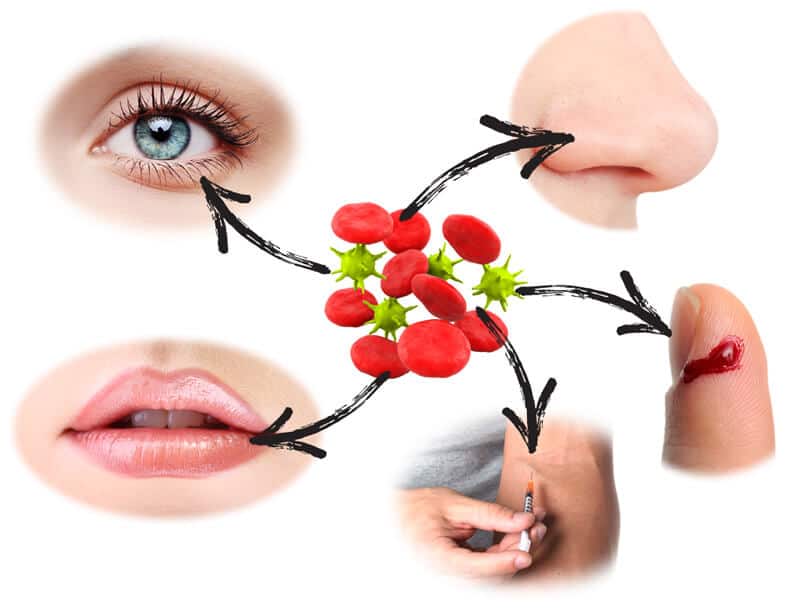
Bloodborne Pathogens (BBPs) can be transmitted when infected blood or Other Potentially Infectious Materials (OPIM) get into the body. This can happen in a few different ways:
Parenteral Exposure This type of exposure happens when there’s a break in the skin. It can result from situations like a needlestick injury, a cut from broken glass, abrasions, human bites, or even improper drug use involving shared needles.
Mucous Membrane Contact Exposure can happen if infected fluids come into contact with the mucous membranes in your nose, eyes, or mouth.
Sexual Contact Bloodborne pathogens can also be transmitted through sexual activity if infected blood or fluids are exchanged.
Who’s Most at Risk?
According to the Centers for Disease Control and Prevention (CDC), people who work in healthcare and related fields are at a higher risk. This includes anyone whose job involves contact with blood or OPIM.






 (111,773 reviews with 4.8 stars)