




Heart disease is responsible for about 18 million lives each year, as per the World Health Organization (WHO). That’s about one-third of all global deaths. This World Heart Day carries the powerful theme “Don’t Miss a Beat.” It serves as a gentle reminder that every heartbeat matters, urging individuals to make informed daily choices to keep it strong. Easy practices such as not delaying check‑ups and paying attention to early warning signs can be effective for improving heart health in the long run.
Raising awareness about our heart health and reminding us that prevention isn’t complicated is the key message of World Heart Day. A few consistent choices can go a long way in protecting your heart and improving your quality of life. Let’s explore some simple steps for a healthy heart that anyone can start today.
Why World Heart Day Matters
World Heart Day is more than just a date on the calendar. It’s a reminder to pause and think about your most loyal companion, your heart. While heart disease is still the leading cause of death worldwide, the good news is that most heart-related problems are preventable.
By sharing stories, reminders, and practical heart health tips, this day encourages us to take charge of our well-being. And the truth is, prevention isn’t about dramatic overnight changes, it boils down to creating heart-healthy habits that become second nature.
Simple Steps for a Healthy Heart
Here’s the thing: a healthy heart lifestyle doesn’t mean giving up everything you love. It’s about balance, choices, and understanding what truly supports your cardiovascular health. Let’s walk through some of the easiest, most effective habits you can start today.
1. Move Your Body Every Day
And for this, you don’t need to “run a marathon” but to be consistent with regular movement. It can be as simple as walking your dog, dancing in your living room, climbing stairs or stretching after work, all of these count.
The American Heart Association (AHA) recommends at least 150 minutes of moderate activity per week. That’s just 30 minutes a day, five days a week. And, the good part, you don’t need to devote a dedicated half an hour in one go. Ten minutes in the morning, ten during lunch, ten in the evening—you’ve already hit your goal.
Think of it this way: every time you move, you’re giving your heart a little “thank you.”
2. Choose Foods That Love Your Heart Back
Unhealthy (processed and packaged food) or healthy dietary choices can either burden your heart or fuel it. You don’t have to give up all your favorite meals, but try adding more of the good and healthy stuff:
- Fresh fruits and vegetables are natural and unprocessed, contributing to better overall health.
- Whole grains like oats, quinoa, and brown rice, rich in fiber, minerals and vitamins, these grains are a healthier choice.
- Healthy fats from nuts, olive oil, and avocado provide heart-healthy fats.
- Lean proteins like fish, beans, and chicken help dodge high sodium levels, which are often found in processed meats and pre-packaged products.
Food for thought:
The NIH-backed DASH diet was ranked the #1 “Best Heart-Healthy Diet” and “Best Diet for High Blood Pressure” in U.S. News & World Report’s 2025 rankings, securing 14 top spots overall. Built around whole grains, fruits, vegetables, lean proteins, and healthy oils, it’s also rated one of the easiest diets to follow.
Practical tip: Instead of focusing on what to cut out, focus on what to add in. The more colorful and nutrient-rich your plate looks, the better. Over time, you’ll naturally edge out the processed, salty, or sugary foods that strain your heart.
3. Manage Stress Well
Stress doesn’t just live in your head. It shows up in your body, especially your heart. Racing thoughts can lead to racing heartbeats, and constant tension can increase blood pressure.
But here’s the relief: stress management doesn’t have to be complicated. You can try:
- A few minutes of deep breathing when you feel overwhelmed.
- Taking a short walk to reset your mind.
- Journaling or calling a friend.
- Practicing mindfulness or meditation.
Remember, when things are rushing and you can’t keep up, slow down. That pause might be the best gift you can give your heart today.
4. Keep an Eye on ‘These’ Numbers
You don’t need to obsess over every detail of your health. But, knowing these four key numbers, i.e., blood pressure (BP), cholesterol (HDL and LDL), blood sugar, and weight (Body Mass Index, BMI) can help catch early signs of heart disease and save your life.
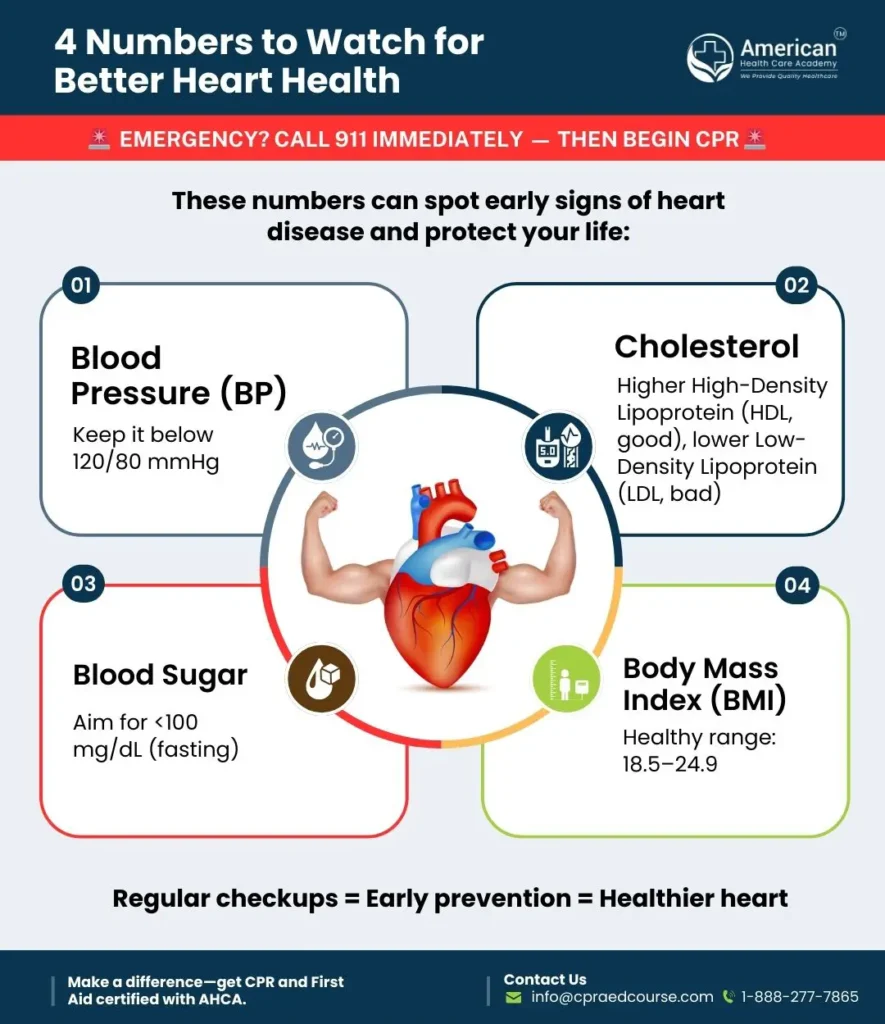
Checking in with your healthcare provider regularly ensures you catch small issues before they become serious. That’s the core of heart disease prevention, being proactive, not reactive.
5. Prioritize Rest and Sleep
Your heart works 24/7. The least you can do is give it quality downtime. Lack of sleep raises stress hormones, increases blood pressure, and makes you more prone to unhealthy habits.
Aim for 7–9 hours of restful sleep. And no, scrolling on your phone in bed doesn’t count as winding down. Create a routine, dim the lights, put devices away, and maybe read or stretch before bed. Your heart will thank you in the morning.
6. Build Connections That Strengthen Your Heart
This one might surprise you: relationships impact your cardiovascular health. Even studies support the fact that people with strong social connections are less likely to suffer from heart disease. Loneliness and isolation, on the other hand, increase the risks.
So call that friend, join a group activity, spend time with family, or even your pet. Your heart thrives on connection, in both the physical and emotional sense.
Here’s a surprising find: AHA research suggests that people with dogs are less likely to develop cardiovascular disease.
Everyday Habits That Add Up
When you look at these cardiovascular health tips, none of them are extreme. But when combined, they form a healthy heart lifestyle that keeps your heart strong. Think of them like puzzle pieces, each small step matters, but together, they create the big picture of wellness.
So maybe your step today is taking a walk. Tomorrow, it could be swapping soda for water. The next day, call a friend you’ve been meaning to catch up with. Over time, these choices layer up into lasting change.
World Heart Day and You
World Heart Day isn’t about guilt or scare tactics. It’s about awareness, empowerment, and encouragement. It’s about realizing your heart is with you through everything, every laugh, every tear, every memory. Shouldn’t you take care of it the way it takes care of you?
So ask yourself: what’s one small thing you can do today to support your heart? Is it choosing stairs over the elevator? Adding an apple to your lunch? Going to bed on time? That one choice might feel tiny, but your heart notices.
The Role of Training in Heart Health Awareness
Here’s something we don’t always think about: even with the best habits, emergencies can happen. Knowing how to respond in those moments is just as important as prevention. That’s where CPR and first aid training come in. You can easily find CPR, AED, and First Aid certification courses that are designed to be simple, clear, and accessible. Whether you’re a healthcare professional or just someone who wants to protect your family, these skills give you the confidence to act in a life-threatening situation.
Think about it—what’s the use of all the heart health tips in the world if, when a loved one’s heart stops, no one nearby knows what to do? By learning cardiopulmonary resuscitation (CPR), you’re not just protecting your own heart, you’re protecting your community.
This World Heart Day, take charge of your health—and be ready to help others too. Get CPR and First Aid certified with the American Health Care Academy. The training is quick, affordable, and could give you the confidence to save a life.