



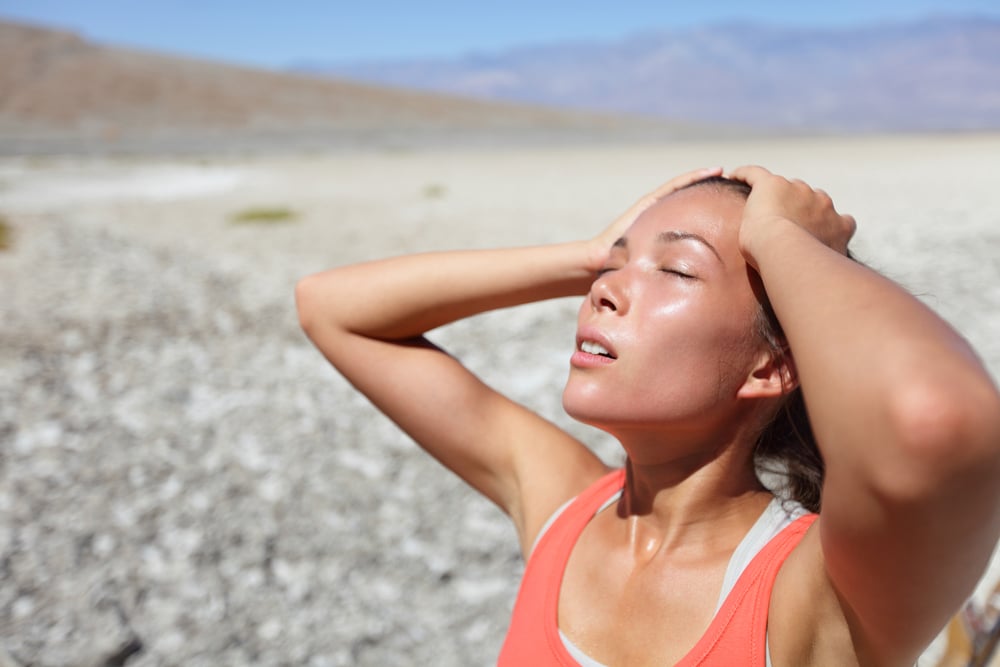
Imagine stepping outside on a hot summer day and feeling the heat wrap around you like a heavy blanket. For most, it’s just another warm afternoon, but for some, that same heat can turn deadly. Heat illness is also a major health problem and one that is worth taking seriously as heatwaves become longer and warmer. In America, heat is the greatest cause of deaths related to the weather and results in more deaths annually than hurricanes or tornadoes. Provisional statistics from Centers for Disease Control and Prevention indicate 1,670 American deaths in 2022 were related to heat causes. This indicates how extreme heat can be life-threatening for anyone. But what are those heat-related problems you should be aware of? These are heat stroke, heat exhaustion and heat cramps.
So read on to learn how heat stroke vs heat exhaustion differ, what the common symptoms are, and the immediate first aid steps you should take to help someone.
How Does The Body Normally Regulate Heat?
The human body maintains a stable internal temperature (around 98.6°F or 37°C) through an intricate thermoregulation system. The brain’s hypothalamus is a thermostat. It constantly receives signals from temperature receptors in the skin, spinal cord, and core organs and adjusts body functions to maintain balance between heat gain and heat loss. The complete mechanism works as discussed below:
Heat Dissipation (Cooling the Body)
When core temperature rises, the hypothalamus activates several mechanisms:
- The blood vessels of the skin widen in order to make warm blood flow outwards. This brings heat closer to the surface, where it can easily escape.
- As the sweat on the body surface evaporates, it takes away the heat and cools the individual.
- This process of evaporation is very efficient in normal external temperature conditions. For example, when you sweat during a mild summer day, the moisture on your skin quickly evaporates, helping cool your body and maintain a stable temperature.
- You will also notice a slightly increased breathing rate, which also helps release some heat.
Heat Conservation & Production (Warming the Body)
When the body cools down too much, the hypothalamus will trigger opposite mechanisms:
- The blood vessels of the skin will constrict to reduce blood flow to the surface and conserve heat.
- The person will start shivering as rapid, involuntary muscle contractions generate heat.
- Hormones like thyroxine (thyroid hormone) and epinephrine (adrenaline) increase metabolism to generate more internal heat.
Limits of Cooling Mechanism
The entire system is efficient, but this cooling mechanism has certain limits, such as:
- High humidity can slow evaporation of sweat, and extreme external heat can overwhelm the body’s capacity to shed heat.
- The longer someone stays in very hot conditions (especially without hydration), the more strained these defences become. The body can start to lose its ability to regulate temperature after just 1 to 2 hours of intense heat exposure without adequate fluids or shade.
- Over time, the body may lose too much water and salt through heavy sweating, depleting the very fluids needed to keep sweating and cooling.
- If sweating and evaporation cease, for example, in prolonged exposure or intense humidity, body temperature begins to rise rapidly. This can lead to heat exhaustion or even heat stroke (a medical emergency where sweating may stop, and body temperature can exceed 104°F / 40°C).
Are Heat Stroke And Heat Exhaustion The Same?
No, heat stroke and heat exhaustion are related but distinct conditions. They represent different severities on the spectrum of heat-related illness. Heat exhaustion can progress into heat stroke if not addressed, but heat stroke is the far more dangerous condition. The key differences between heat stroke and heat exhaustion are summarized in the table below:
| Aspect | Heat Exhaustion | Heat Stroke |
| Cause | Occurs when the body overheats and cannot cool itself effectively through sweating.It results from excessive loss of water and salt due to heavy sweating in a hot environment. | Happens when the body’s thermoregulatory system fails completely, which leads to dangerous rises in core body temperature and breakdown of vital functions. Sweating often stops as the body can no longer regulate itself. |
| Severity | Serious but not immediately life-threatening. Can progress to heat stroke if untreated. | Life-threatening condition requiring immediate medical care. |
| Onset & Progression | Usually develops gradually over hours of heat exposure or exercise. The body is overwhelmed by dehydration and overheating, but still attempting to cool (hence sweating a lot). | Often rapid onset, can strike suddenly during extreme heat or heavy exertion. May develop from untreated heat exhaustion, or come on without warning in extreme conditions. Represents complete failure of heat regulation. |
| Mental State | Dizzy, tired, weak. The person may feel faint or collapse from exhaustion, but typically remains conscious and coherent (though irritable). No major neurological impairment. | Confused, disoriented, or unresponsive. The person may have slurred speech, seizures, or loss of consciousness (coma). Altered mental status is a hallmark of heat stroke. |
What Triggers Heat Illness?
Heat exhaustion and heat stroke both result from the body overheating, but the situation and actual triggers can differ. Common causes and risk factors include:
High Ambient Temperatures
Heat illness can result from being outdoors in intense heat or direct sunlight for an excessive amount of time. They particularly occur during heat waves or in indoor areas that are poorly ventilated and have no air conditioners.
High Environmental Temperatures
Heat illness also occurs from being in extreme heat or direct sun for too long, especially during heat waves or in poorly ventilated indoor spaces. Even the environment of a closed vehicle on hot days can be detrimental because a car can heat up by 20°F in just 10 minutes.
High Humidity
When humidity is high, sweat doesn’t evaporate well, which impairs the body’s cooling mechanism. This makes hot conditions even more perilous, as the body heat accumulates. For example, at 90°F (32°C) with 70% humidity, the heat index, or “feels like” temperature, can reach 105°F (40°C), which puts extra strain on the body.
Strenuous Physical Activity In The Heat
Exercising or working hard outdoors on hot days greatly increases heat production. Exertional activity such as sports, manual labor, military training, etc., in hot weather is a major cause of heat illness. A study in the Journal of Multidisciplinary Health reinforced this, showing outdoor activity in high temperatures dramatically increases heat illness risk, especially for men aged 20 – 40 in environments above 35 °C.
Dehydration (lack of fluids)
Not drinking enough water before and during exposure to heat will cause heat stroke. Dehydration is a key underlying cause in many heat exhaustion cases. This is because dehydration reduces sweat production and blood volume. In exertional heat stroke, this dehydration combines with cardiovascular overload, which can trigger systemic inflammation and multi-organ damage.
Inappropriate Clothing
What you wear can trap heat and block sweat evaporation. Heavy gear or non-breathable fabrics make it difficult for the body to stay cool. Therefore, soldiers or firefighters in heavy gear, or even overdressing on a hot day, can more frequently experience heat illness. Healthcare workers in PPE during COVID-19 also reported heat stress symptoms in over 80% of cases while working in hot environments.
Alcohol or Certain Drugs
Alcohol and some medications interfere with the body’s cooling system. They either increase dehydration, reduce sweating, or impair temperature regulation. Moreover, some medications (e.g. diuretics, stimulants, antihistamines, antipsychotics) reduce the body’s ability to sweat or regulate temperature. Similarly, medications such as diuretics, anticholinergics, and antipsychotics are linked with a 2–3× higher risk of heat-related illness.
Who Is at Risk for Heat Stroke and Heat Exhaustion?
Anyone can suffer heat exhaustion or heat stroke if conditions are harsh enough, but some people are at higher risk of heat-related illness. The groups at a higher risk are discussed as follows:
Older adults (65+ years)
The elderly face a higher risk of heat problems because aging weakens the body’s temperature control system. This makes sweat glands and circulation less responsive. Moreover, older individuals may have chronic health conditions or medications that blunt the ability to tolerate heat.
Infants and young children
Babies and children cannot regulate body heat as efficiently as adults. They also rely on caregivers to keep them cool and hydrated. This is because they sweat less and generate heat faster relative to their body size. 39 U.S. children lost their lives due to hot cars in 2024 alone. It is a sobering reminder to never leave a child unattended in a vehicle on a warm day.
Individuals with Chronic Medical Illnesses
Medical conditions like heart disease, hypertension, obesity, diabetes, or mental illness can make individuals more vulnerable to heat illness. They can also affect the heart and sweat glands and/or hinder the individual from getting away from the heat. Some chronic condition drugs (e.g., diuretics, beta blockers, antihistamines, antidepressants, and antipsychotics) may exacerbate dehydration or disrupt sweating.
Athletes and Outdoor Workers
People who exercise or work strenuously in hot conditions (construction workers, farmers, landscapers, athletes, etc.) are on the front lines of heat exposure. They produce a lot of internal heat and often lose massive amounts of sweat. If they don’t rest and rehydrate adequately, they can quickly develop heat exhaustion. In fact, military training and sports practices in hot weather are well-known triggers for exertional heat stroke.
Gender
Men have historically accounted for a higher proportion of heat-related deaths than women. One reason is occupational exposure, i.e. men are more likely to work in outdoor, physically demanding jobs such as construction, farming, or transportation, where they face prolonged heat and limited access to cooling. Additionally, higher rates of alcohol use and certain health risk behaviors among men may increase their vulnerability to heat stress.
What Are the Symptoms of Heat Stroke and Heat Exhaustion?
Heat stroke and heat exhaustion can share some overlapping symptoms (like elevated body temperature, headache, or nausea), but there are telltale differences, especially in skin appearance and mental status. The table below clearly compare and contrast heat exhaustion and heat stroke according to their symptoms:
| Aspect | Heat Exhaustion | Heat Stroke |
| Body Temperature | Body temperature is usually 101–104 °F (38.3- 40 °C); feverish but not above 104°F. | Body temperature is extremely high, above 103–104 °F (≈40 °C) and rising. |
| Skin | Skin is cool, pale, moist, and clammy to the touch (excessive sweating). | Skin is hot, red, and dry (little or no sweating). Skin may be damp in some cases, but often sweat has stopped. |
| Sweating | The person is drenched in sweat | Sweating is absent or greatly reduced, the body has lost its ability to sweat effectively. |
| Pulse | Fast, weak pulse (heart is racing but volume is low). | Rapid, strong pulse (heart racing and pounding). |
| Blood Pressure | May be low; can cause dizziness or fainting upon standing. | May drop sharply as heat stroke progresses, leading to shock (fainting or collapse is common). |
| Muscles | Muscle cramps may occur due to salt loss. | It may stop functioning properly; seizures can occur in severe cases. |
| Nausea | Nausea and possibly vomiting. Appetite is lost. | Nausea and vomiting are common (if the person is conscious). |
Read more: Heat Exhaustion- Symptoms, Causes & Treatment
How Do You Treat Heat Stroke vs. Heat Exhaustion?
Proper first aid can make all the difference when someone is suffering from heat-related illness. The treatment approach shall be slightly different for heat stroke vs heat exhaustion due to their severity. The key first aid steps are explained in the following sections:
First Aid Treatment of Heat Exhaustion
If you know the signs of heat exhaustion, the treatment is to cool and rehydrate while it is still in this stage. Do these steps:
- Transfer to a Cool Location
Get the individual away from the sun and to a shade or cool spot. Ideally, transfer to an air-conditioned indoor environment; if this is unavailable, find shade or at least an indirectly warmed environment.
- Rest and Lie Down & Undress Excess Clothing
Get the person to cease all exertion and lie down. Lifting the feet up slightly is helpful if they are faint. Loosen or take off any unnecessary clothing, especially heavy or tight garments. This helps heat escape the body.
- Cool the Person
Apply cool, wet clothes to the skin(neck, armpits, groin, and behind the knees) or sponge them with water. You can also fan them gently to promote evaporative cooling. If possible, have the person take a cool (not cold) shower or bath, or at least wet their head, neck, and armpits with cool water. Never use ice-cold water on someone who is conscious and just exhausted.
- Hydrate
Liquids to drink. Make the person repeat small amounts of cold drinking water. Sports or electrolyte solutions might be helpful in replacing salts and minerals lost in sweat.
Note: Do NOT give caffeinated or alcoholic beverages since these will exacerbate dehydration. Both caffeine and alcohol act as diuretics, i.e. they increase urine production and promote fluid loss, which makes it harder for the body to stay hydrated.
- Monitor and Look For Signs Of Illness And Seek Professional Help
Most will begin to improve once rehydrated and cooled off for 20-30 minutes. If the individual vomits and is not maintaining fluids, or if symptoms are worsening or longer than approximately an hour.
First Aid for Heat Stroke
Heat stroke is a medical emergency. If you suspect someone has heat stroke (e.g., they have a very high temperature, confusion, or unconsciousness in a hot setting), call 911 immediately. While waiting for emergency medical services, you must act quickly to cool the person down; rapid cooling can save their life:
- Move to a Cool Area
Just like with heat exhaustion, get the person to a cooler environment right away. Indoors with air-conditioning is best. At the very least, get them into shade.
- Position and Clothing
If the person is unconscious or very disoriented, make sure to lay them on their side (recovery position) to keep the airway clear in case of vomiting. Remove outer clothing and anything restrictive.
- Cool Rapidly
The priority is to lower their core temperature fast. Effective methods include:
- If you have a tub or a small pool, put the person in cool or ice water up to the neck.
- Place ice packs/cold wet towels on key areas like the head, neck, armpits, and groin. You can also hose them down with cold water or mist them and fan them to speed evaporation.
- The CDC notes that an ice bath (46.4-59°F (8-15°C)) is the most effective approach if available, but any cooling is better than none.
- Do NOT Give Fluids If Unconscious
If the heat stroke victim is not alert or is vomiting, do not attempt to give fluids by mouth. They could choke. If the person is awake enough to drink, you can give small sips of water, but often in heat stroke, they won’t be fully coherent.
- CPR If Needed
Heat stroke can sometimes lead to collapse and stop breathing. If the person has no pulse or is not breathing, begin CPR and continue until help arrives.
Emergency personnel may administer intravenous (IV) fluids, oxygen, and other interventions. In a hospital, they have advanced techniques (like cooled IV fluids, evaporative cooling devices, or even blood cooling) to further stabilize the patient.
| Heat Stroke Treatment = Immediate Cooling + Emergency Medical Care |
Delaying treatment greatly increases the risk of death or permanent damage. Never ignore symptoms like confusion or unconsciousness in someone who has been in heat; it’s far better to assume it’s heat stroke and act, rather than hesitate.
Best Tips to Avoid Heat Stroke or Heat Exhaustion
Fortunately, heat exhaustion and heat stroke are largely preventable with some common precautions. To stay safe in hot weather and avoid falling victim to heat illness, do the following:
Stay Hydrated
- Drink plenty of fluids when it’s hot. Do not wait until you’re extremely thirsty. Water is the best option.
- If you are sweating a lot (exercise or outdoor work), consider drinks with electrolytes as well to replace salt and minerals.
- Avoid alcohol or excessive caffeine in high heat, as these can dehydrate you.
Dress for the Heat
- Wear lightweight, light-colored, loose-fitting clothing. Light colors reflect sunlight, and loose clothes allow air circulation.
- A wide-brimmed hat and UV-blocking sunglasses help when in direct sun.
- Apply sunscreen to exposed skin; burning your skin not only hurts it but also inhibits the body’s temperature-regulation ability.
Avoid the Peak Heat Of The Day
- If possible, schedule strenuous activities for the cooler parts of the day, such as early morning or late evening.
- Try to limit outdoor work or exercise between roughly 11 am and 4 pm, when the sun and heat are usually most intense. However, the exact peak heat hours can vary depending on your location and climate, so adjust accordingly.
- If you must be active in high heat, take it slow and take frequent breaks.
Take Frequent Cooling Breaks
- If you start feeling overheated, dizzy, or excessively fatigued, stop and rest in a cool place immediately. Don’t push through it.
- Find shade or air conditioning, drink some water, and cool your body.
- Short rest breaks (5 – 10 minutes) in the shade for every half hour of intense activity can prevent your core temperature from reaching dangerous levels.
Stay Cool, Stay Safe, and Be Prepared With the Right Training!
Heat exhaustion and heat stroke may sound similar, but they are very different in how dangerous they are. Heat exhaustion is the body’s warning sign, while heat stroke is a life-threatening emergency that needs fast action. Being aware of the symptoms and causes of heat stroke and heat exhaustion will help you and other people to avoid the risk of hot weather. The best thing is to be prepared. Don’t wait until an emergency happens to learn these skills. Take charge now and enroll in a certified online first aid course today and gain the confidence to act quickly when heat results in severe health issues.