



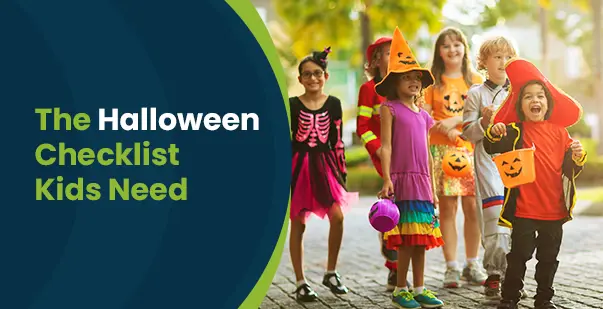
Did you know kids are 4x more likely to be involved in pedestrian accidents on Halloween night? Pair that with choking hazards and costume mishaps, and it’s clear why every parent needs a Halloween safety checklist. Research shows kids are twice as likely to be hit by a car on Halloween compared to other nights. This Halloween safety checklist on CPR and first aid gives you simple steps to follow before trick-or-treating starts. With a few simple child CPR and first aid steps in place before trick-or-treating starts, you’ll have peace of mind knowing your child’s night will stay safe, stress-free, and fun.
The Hidden Hazards of Halloween Night
Halloween feels exciting, but it also brings risks you should be ready for. Costumes, crowds, and candy can quickly turn a fun night into one where accidents happen. Knowing what to watch out for helps you stay prepared.
The Most Common Hazards (By Age)
Children face more injuries on Halloween than almost any other day, but the risks look different depending on their age. Here’s what parents should watch for:
- Toddlers & Preschoolers
- Burns from reaching toward candles, lanterns, or flammable decorations
- Choking on hard candy or tiny costume parts
- Elementary-Age Kids
- Trips and falls from long costumes, masks that block vision, or uneven sidewalks
- Allergic reactions to face paint, makeup, or treats
- Tweens & Teens
- Pedestrian accidents often occur from wearing dark clothing or being distracted by phones
- Riskier behavior in crowds (running into the street, ignoring traffic signals)
Children face more injuries on Halloween than on most other days. Some of the biggest risks include:
- Trips and falls caused by long costumes, poor lighting, or uneven sidewalks
- Choking on hard candy or small costume parts
- Allergic reactions to treats or face paint
- Burns from candles, lanterns, or flammable fabrics
- Pedestrian accidents, as kids are more than 43% as likely to be hit by a car on Halloween night than on any other evening, according to the JAMA Network. This makes this the leading cause of serious injuries.
Why Fast Action Matters
The accident itself isn’t always what makes the situation dangerous. The real problem comes when help is delayed. A child who chokes can lose consciousness within a minute or two if no one clears the airway. A burn that isn’t treated quickly can lead to infection or lasting scars. Even a simple fall can hide a head injury that needs immediate care. Watch for warning signs like confusion, repeated vomiting, dizziness, severe headache, unusual sleepiness, delayed responsiveness, or loss of consciousness. If any of these appear, seek medical help right away..
That’s where child CPR and first aid come in. If you know what to do in those first moments, you don’t have to wait helplessly for emergency responders. Your response can stop a minor mishap from becoming something far more serious. Since permanent brain damage can begin after just 4–6 minutes without oxygen, quick action truly makes the difference between life and lasting injury.
This is the idea behind the “chain of survival.” It’s a step-by-step process that includes recognizing an emergency quickly, calling for help, starting CPR or first aid immediately, and using tools like an AED if available—until professional responders take over. Every link in this chain is vital, and when each one is strong, a child’s chance of survival and recovery rises dramatically.
Preventative Halloween Safety Checklist (Before You Go Out)
Halloween is exciting for kids, but excitement can also mean more chances of accidents. If you prepare with these Halloween safety tips for kids before heading out, you can avoid most emergencies. Here’s what you should keep in mind:
Costume Safety
- Choose light-colored costumes or add reflective strips for visibility
- Avoid long or loose outfits that can cause tripping
- Pick flame-resistant fabrics to reduce burn risk
- Make sure masks or hats don’t block vision
- For younger kids, check labels for allergy-safe materials
Route & Supervision
- Stick to familiar, well-lit areas
- Walk on sidewalks, never in the street or through shortcuts
- Go with your child when possible
- If older kids go alone, set a planned route in advance
- Ensure a trusted adult or sibling provides supervision if you can’t
Set Simple House Rules
Go over a few clear rules before stepping out:
- Always stick with a friend or group—no walking alone, (use allergy-safe stickers)
- Never enter someone’s house or car, even if invited.
- Wait until you check the candy before eating it, especially if your child has allergies.
| Keep These Numbers Handy:Emergency: Dial 911 Poison Control (U.S.): 1-800-222-1222 Local Hospital/Urgent Care: [Fill in your nearest facility’s name & number] |
CPR & First Aid Every Caregiver Must Know
Emergencies can happen without warning. If you know CPR and Halloween first aid tips, you can help a child survive and wait for medical help to arrive. Let’s go over the skills every parent, teacher, or volunteer should be comfortable using.
CPR for Children
If a child is unresponsive and not breathing normally, begin CPR right away. Here’s what to do:
- Compressions: Push hard and fast, 100–120 per minute, about 2 inches deep on the chest.
- Rescue breaths: Give two breaths after every 30 compressions. If two trained rescuers are there, switch to 15 compressions and two breaths.
- Defibrillation: Use an AED as soon as it’s available. Choose pediatric pads if possible.
Don’t wait for perfect technique. Acting quickly gives a child a far better chance of surviving. If you’re unsure what to do, call emergency services right away, put your phone on speaker, and start chest compressions while following the dispatcher’s guidance. Even imperfect CPR is far better than doing nothing at all.
Recognizing and Responding to Choking
Candy and small toys make choking a real risk. Round hard candies or gum balls are especially dangerous, and children under 4 should avoid them altogether. Signs of choking include silent gasping, clutching the throat, or turning blue. For children over one, knowing how to respond quickly can save a life.:
- Stand behind the child.
- Wrap your arms around their waist.
- Deliver abdominal thrusts (the Heimlich maneuver) for children over one year old until the airway clears. Do not use abdominal thrusts on infants under one year—they require back blows and chest thrusts instead..
For infants under one year, the steps change: give five back blows, then five chest thrusts, and repeat until the object comes out.
Burns and Cuts
Costumes and candles can be a bad mix. If a child gets a burn:
- Run cool water over the area for at least 10 minutes.
- Don’t use ice, butter, or creams.
- Cover loosely with a clean cloth or sterile dressing.
For cuts, press gently to stop the bleeding. Clean the wound before covering it. If the cut is deep or bleeding won’t stop, get emergency help right away.
Allergic Reactions
Many Halloween treats have hidden allergens. Mild allergic reactions may include:
- Itchy skin or hives in a small area
- Mild stomach upset
- Sneezing or watery eyes
Anaphylaxis (a severe, life-threatening reaction) may include:
- Swelling of the face, lips, tongue, or throat
- Trouble breathing, wheezing, or coughing
- Dizziness, fainting, or sudden drop in blood pressure
- Widespread hives or rapid progression of symptoms
If anaphylaxis is suspected:
- Use an EpiPen immediately if prescribed
- If the child feels faint, lay them flat and raise their legs
- Call emergency services right away, even if symptoms improve after the injection
Emergency Action Plan: What To Do If Something Happens
Step 1: Stay Calm and Check What’s Wrong
Look closely to see what’s happening: Choking, bleeding, burns, or fainting. Move the child away from traffic, flames, or anything unsafe.
Step 2: Call for Help Right Away
If the situation is serious, dial 911 immediately. Make sure your kids know how to reach you or another safe adult. Keep your phone charged and emergency contacts ready.
Step 3: Give Basic First Aid
- Choking: For children over 1 year, give abdominal thrusts. For infants, use back blows followed by chest thrusts.
- CPR: If the child is unresponsive and not breathing, give 30 chest compressions and 2 rescue breaths. Keep going until they start breathing or help arrives. Use an AED if you have one.
- Bleeding or burns: Apply firm pressure to stop bleeding. For burns, run cool water over the area for 10 minutes and cover it loosely.
- Allergic reaction: If the child has an EpiPen, use it right away and then call 911.
Step 4: Keep Them Calm Until Help Arrives
Stay steady and reassure them. Tell them in simple words, “You’re safe, help is on the way.” Share clear details with responders when they get there.
Making the Plan Easy for Kids
Kids remember short, clear steps better than long explanations. Keep it simple and give them just a few actions they can follow:
- Stop and look for a safe adult.
- Call or find you right away.
- If needed, ask a trusted neighbor or adult for help.
Go over these steps once or twice before Halloween night. Rehearsing makes the actions feel familiar, and remember that repetition reduces panic.
What They Should Know by Heart
Even young children can learn important details that matter in an emergency. Make sure they know:
- Their full name and home address.
- At least one parent or guardian’s phone number.
- How and when to dial 911 (or your local emergency number).
You don’t have to drill this information. Turn it into a quick game or call-and-response practice so they remember without feeling anxious.
Staying Steady When It Counts
The hardest part for most parents is staying calm. Kids watch how you react. If you stay steady, they’ll feel steadier too. A helpful trick is to take one deep breath before you act. That moment helps you collect your thoughts, scan what’s happening, and respond with clarity instead of rushing.
Encouraging Knowledge: How to Prepare Before Halloween
The way you prepare before Halloween shapes how you handle unexpected situations that night. A little planning now gives you confidence and keeps your kids safer when things get busy.
Learn CPR and First Aid Together
Check out local hospitals, community centers, or online courses that teach child CPR and first aid. These sessions are usually short and designed for parents and caregivers. Taking the course as a family makes it easier to remember what you’ve learned and creates a sense of teamwork. Even older kids can pick up basics—like how to call emergency services or place someone in the recovery position.
Practice Emergency Scenarios
Kids often freeze when something scary happens, unless they’ve already practiced what to do. A quick role-play before Halloween can make all the difference. Walk them through how to spot a safe adult, how to dial emergency numbers, or what to say if a friend has trouble breathing. Keep it simple and familiar—like a school fire drill—so it feels normal rather than frightening.
Pack a Small Safety Kit
Bring along a lightweight kit so you’re ready for small problems. At the very least, add:
- Adhesive bandages and antiseptic wipes
- A small flashlight with extra batteries
- Gloves and a CPR face shield
- Emergency contact numbers written on a card
If your child scrapes a knee on the sidewalk or reacts to candy, you won’t waste time looking for help. You’ll already have what you need in your bag.
Making Halloween Safe, Fun, and Memorable
Halloween should always be about excitement, costumes, and community—not preventable accidents. By pairing the fun of the night with simple safety practices and the confidence of CPR and first aid skills, parents can make sure children stay safe while still enjoying every moment.
These skills don’t just prepare you for Halloween—they’re tools that can protect kids year-round. If you found this checklist useful, share it with friends, neighbors, and family. And if you haven’t already, consider enrolling in CPR or first aid training through a reputable organization in your area. The right knowledge could be the difference that saves a child’s life.
FAQs
What are the top Halloween safety tips for kids?
Stay in well-lit areas, choose costumes that drivers can see, and walk instead of running near streets. Keep an eye on your child, and always check candy before they eat it.
What should be included in a Halloween safety checklist?
Think through the basics: safe costumes, a planned route, adult supervision, safe handling of treats, and updated emergency contacts.
Why is CPR important for Halloween safety?
If a child chokes or suddenly collapses, CPR keeps oxygen moving until medical help comes. Acting right away can save a life.
How do I give first aid if my child gets hurt on Halloween?
Stay calm and look at the injury. Clean cuts, cool burns, or start CPR if breathing stops. If you’re unsure, call for help right away.
Should kids learn basic CPR and first aid?
Yes. Older kids and teens can learn simple skills that build confidence and prepare them for emergencies. Even small steps can make a big difference.