






Introduction
If your job requires CPR certification, one of the first questions is a fair one: who pays for it? Certification and renewal cost money and time, and whether that lands on you or your employer depends on your role, your state, and your company’s policy. This guide gives you the short answer up front, then walks through when employers are required to cover it, what certification and recertification actually cost, how often you have to renew, and how to ask your employer to pay or reimburse you.
The Short Answer
In many cases, yes. When CPR certification is a required condition of your job, most employers pay for it or reimburse you, and in some states they are legally required to cover necessary job-related expenses. Federal law is more nuanced and does not flatly require employers to pay every certification fee, but it does treat required training time as compensable in many situations. If certification is optional or something you pursue on your own to qualify for a role, the cost is usually yours. The sections below explain where your situation likely falls.
This article is general information, not legal advice. Employment rules vary by state and by employer, so confirm the specifics with your employer’s policy and, where needed, your state labor office.
When Employers Are Required to Pay
The strongest case for employer-paid certification is when CPR is mandatory for the job. If you cannot do your work without the credential, several principles tend to apply. Under the federal Fair Labor Standards Act, time spent in employer-required training is generally compensable work time, and payroll deductions for job costs cannot legally push your pay below minimum wage. Several states go further: California, for example, requires employers to reimburse necessary business expenses, which can include mandated certifications. In healthcare, where BLS or CPR certification is a baseline requirement, most employers build the cost of certification and recertification into onboarding and annual compliance as a matter of course.
When You Might Pay Yourself
There are common situations where the cost is yours. If you are seeking a job that lists CPR certification as a prerequisite, you will usually need to arrive already certified, on your own dime. If certification is optional for your role, or you want it for personal or professional development, that is your investment. Independent contractors, gig and self-employed professionals typically cover their own certification as a business expense, which may be tax-deductible. When in doubt, the deciding question is whether the employer requires it for your current job.
How Much Does CPR Certification Cost?
Cost depends on the format and the level of certification. Online and blended courses are generally the most affordable, while in-person and hands-on provider courses cost more. The table below shows typical ranges. Confirm current pricing with the provider, since it varies.
| Certification type | Typical format | Typical cost range |
| General public CPR/AED | Online or blended | Low, often under $40 |
| Healthcare provider BLS | Online or in-person skills | Moderate |
| First aid + CPR/AED combo | Online or blended | Low to moderate |
| Recertification / renewal | Online, shorter | Lower than initial certification |
Online certification keeps costs down by removing classroom and instructor overhead while still teaching the current guidelines, which is why it is the most common route for individuals paying their own way. You can compare an affordable online CPR and first aid course here.
CPR Recertification: Cost and How Often
Most CPR and BLS certifications are valid for two years, after which you renew. Recertification exists precisely so you do not repeat the full initial course: it refreshes the current guidelines and reconfirms your skills in less time, and it usually costs less than certifying for the first time. Renewing before your card expires matters, because letting a required certification lapse can interrupt your ability to work in roles that mandate it. If your two-year mark is approaching, you can click here renew your CPR certification.
Can You Get Reimbursed? How to Ask Your Employer
Even when an employer does not automatically pay, many will reimburse a required certification if you ask. Make it easy for them to say yes:
- Confirm the requirement. Point to where CPR certification is listed as a condition of your role or a compliance requirement.
- Ask before you enroll. Check whether there is a preferred provider or a reimbursement process, and get approval in writing.
- Keep the receipt and certificate. Reimbursement almost always requires proof of completion and the amount paid.
- Frame it as compliance. Employer-required certification kept current protects the organization, which is an easy business case for covering the cost.
Is CPR Certification Required for Your Job?
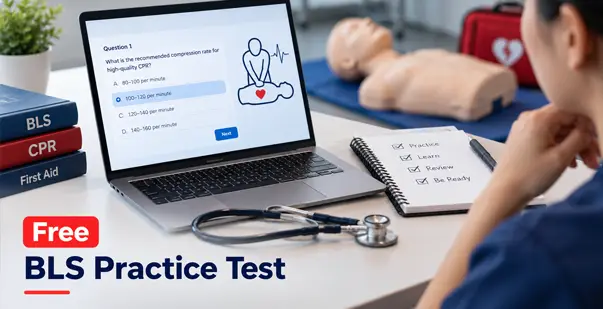
CPR or BLS certification is required or strongly expected in many fields. Healthcare workers, including nurses, medical assistants and emergency staff, generally need BLS. Childcare providers, teachers, coaches and camp staff are often required to hold CPR and first aid certification. Lifeguards, personal trainers and fitness instructors typically need it, as do many public safety and industrial roles. If CPR is required for your job, it strengthens the case that your employer should cover it. If you are preparing to test for a healthcare role, a free BLS practice test at https://cpraedcourse.com/blog/bls-practice-test is a useful way to get ready.
The Affordable Way to Certify or Recertify
Whether you are certifying for a new role or renewing before your card expires, an online course is the fastest and most affordable route, and it teaches the same current guidelines as a classroom. American Healthcare Academy’s CPR certification and recertification courses are self-paced and online, with your certification issued on completion, so you can meet a job requirement or stay compliant without taking a day off. Renew by clicking here, or certify for the first time here. If your employer reimburses, you keep the receipt and certificate the course provides.
FAQs
1. Does my employer have to pay for CPR certification?
It depends on whether the certification is required for your job and on your state. When CPR certification is a mandatory condition of employment, many employers pay for or reimburse it, and some states, such as California, legally require employers to cover necessary job-related expenses. Under federal law, employer-required training time is generally compensable and cost deductions cannot drop your pay below minimum wage, though federal rules do not flatly require employers to pay every certification fee. If the certification is optional or something you pursue to qualify for a role, the cost is usually yours. This is general information, not legal advice, so confirm with your employer and state labor office.
2. How much does CPR certification cost?
The cost of CPR certification depends on the format and level. Online and blended courses for the general public are the most affordable, often under 40 dollars, while healthcare provider BLS and in-person hands-on courses cost more because of instructor and classroom overhead. First aid and CPR combination courses fall in the low-to-moderate range. Recertification generally costs less than an initial certification because it is shorter. Online certification keeps costs down while still teaching the current guidelines, which is why it is the most common choice for people paying their own way. Confirm current pricing with the provider before enrolling.
3. How often do you need to renew CPR certification?
Most CPR and BLS certifications are valid for two years. After that, you need to recertify to keep the credential active. Recertification refreshes the current guidelines and reconfirms your skills, and it is designed to take less time than the original course. Renewing before your card expires is important, especially in jobs that require certification, because a lapsed credential can interrupt your ability to work. Many people set a reminder a month or two before their expiration date and complete an online recertification, which is the quickest way to stay current without repeating the full initial course.
4. Is CPR recertification cheaper than initial certification?
Usually, yes. Recertification is built to be shorter than an initial certification course because you are refreshing knowledge you already have rather than learning it for the first time, and that shorter format generally comes at a lower price. Online recertification tends to be the most affordable option of all, since it removes classroom and instructor costs while still covering the current guidelines and issuing a renewed certification on completion. If your certification is close to its two-year expiration, recertifying online is typically both the cheapest and the fastest way to stay compliant with a job requirement.
5. Can I get reimbursed for CPR certification?
Often, if you ask. Even employers who do not automatically pay will frequently reimburse a required certification. Confirm that CPR is listed as a requirement for your role, ask about the reimbursement process before you enroll, and get approval in writing if you can. Keep your receipt and the certificate of completion, since reimbursement almost always requires proof of payment and completion. Framing the request as compliance, keeping a mandatory certification current protects the organization, makes it an easy yes. If you are self-employed or an independent contractor, certification is typically a deductible business expense instead.
6. Is CPR certification required by law for my job?
It depends on your field. CPR or BLS certification is required or strongly expected for healthcare workers, childcare providers, teachers, coaches, lifeguards, personal trainers and many public safety and industrial roles, though the specific requirement usually comes from your employer, licensing board or state regulations rather than a single federal law. If your job description or compliance policy lists CPR certification, treat it as required and keep it current. If you are entering one of these fields, getting certified in advance makes you a more prepared candidate. Check your employer policy and any state or licensing rules that apply to your specific role.