

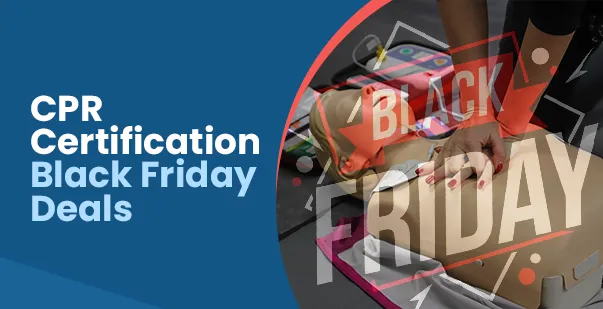
This Black Friday CPR certification sale is your chance to save big and earn a credential that matters. Our completely self-paced, online course is designed to meet current healthcare and workplace compliance standards, making it both practical and in-demand. Complete the course and pass the exam, and you’ll receive a printable certification card the same day—so you can prove your lifesaving skills immediately.
Don’t miss the chance to save big and get certified. CPR certification equips you to respond confidently in emergencies, protect lives, and stay compliant with workplace safety standards. Check out our special pricing and enroll in the course before the sale ends.
Why Choose CPR Certification This Black Friday
This is the perfect opportunity to get online CPR certification at the lowest price of the year and gain trusted credentials with these benefits:
- Lowest Pricing Window of the Year: Black Friday is the time when you get the Cardiopulmonary Resuscitation (CPR) certification at unbeatable prices.
- Finish in Hours, Print Card Immediately: Complete the course in just a few hours and receive your certificate immediately. It is widely accepted by employers and meets national workplace and healthcare compliance requirements.
- Safer Choice with Clear Support: Widely accepted and offers reliable guidance at every step.
Who Should Get CPR Certified
Our CPR certification is perfect for anyone who wants to be prepared to respond in a life-threatening emergency. It is suitable for:
1. Everyday Individuals
You don’t need to be a doctor or nurse to save a life. If you’re someone who wants to feel confident during emergencies, CPR training is for you.
Imagine someone collapsing near you. Would you know what to do?
Getting certified gives you the knowledge and quick-thinking ability to act fast and help until medical professionals arrive. It’s about being ready when it matters most and making a real difference.
2. Workplace Teams
Emergencies can happen anywhere, even at the office or job site. Whether you work in a warehouse, a retail store, or a corporate office, someone on your team knowing CPR could be life-saving.
When everyone feels a bit more prepared, the whole workplace becomes safer. It also shows leadership and responsibility.
Here’s why CPR training makes sense at work:
- It boosts employee confidence in emergencies
- It supports workplace safety compliance
- It creates a culture of care and readiness
No matter your role or department, CPR skills are valuable to have. You won’t just be helping your team, you could save someone’s life when every second counts.
3. Coaches and Sports Professionals
As a coach or sports instructor, you’re not just guiding performance, you’re responsible for the safety of your team. Accidents or sudden health issues can happen anytime, during a match or practice.
Knowing CPR means you’re not caught off guard when seconds count.
It helps you stay calm, take charge, and support your athletes in high-stress moments. It’s a skill every coach should carry with pride and confidence.
4. Lifeguards and Fitness Trainers
If you work in an environment where people are physically active, like a pool, gym, or fitness class, CPR skills aren’t just helpful. They’re essential.
As a lifeguard or trainer, you’re trusted to keep others safe. But what if someone suddenly stops breathing during a workout or swim session?
“In high-intensity settings, knowing CPR is the difference between panic and protection.”
When you’re CPR certified, you’re not just teaching health, you’re protecting lives.
5. Caregivers and Healthcare Aides
Though many caregivers focus on daily tasks like helping with meals or mobility, emergencies can happen without warning. Knowing CPR ensures you’re not just providing care but also protection when it’s most critical.
If someone in your care suddenly stops breathing, your ability to respond immediately could save their life.
This training gives you that extra confidence and skill, making you a stronger, more prepared support system for those who rely on you.
6. Students and Volunteers
There is no better time to learn CPR than when you’re a student or actively volunteering in your community. These roles often place you in situations where quick action can truly count.
CPR training equips you with practical skills that go beyond textbooks or routine service.
It helps you stay calm under pressure, respond effectively, and adds real value to your personal and professional growth. Preparedness starts with learning.
7. Anyone Motivated to Learn Vital, Hands-On Skills
Well, if you’ve ever thought, “I should probably know what to do in an emergency,” then this is your sign to take the first step.
CPR certification isn’t just for professionals. It’s for anyone who wants to learn something practical, empowering, and potentially life-saving.
You’ll walk away with real, usable skills and the confidence to stay calm when it truly counts. All it takes is a willingness to learn.
What is Included in the CPR Course
This CPR course helps you gain the skills and confidence to act quickly during medical emergencies. You’ll learn how to perform lifesaving techniques on adults, children, and infants until professional help arrives.
Here’s what you’ll cover during the course:
Getting Started with CPR
You’ll begin by understanding what CPR really is and why it matters in saving lives. This part helps you build a solid foundation by explaining how CPR keeps blood and oxygen flowing when the heart stops.
You’ll also learn when CPR is needed and how your response can make all the difference.
Once you know why you’re doing it, everything else starts to make more sense and feels a lot more natural to apply.
How to Assess the Situation
Before jumping into action, you’ll be taught how to size up the scene.
Is it safe for you? Is the person responsive or breathing? You’ll learn how to quickly check all of this so you don’t waste time or put yourself at risk.
This step is crucial because it guides your next move and helps you stay calm and collected, especially when everyone else might be panicking around you.
The A-B-C of CPR: Compressions, Airway, Breathing
This part introduces the classic A-B-C formula used in CPR. You’ll explore how each step works together to keep someone alive.
- Compressions push oxygen-rich blood to vital organs
- Airway ensures there’s a clear path for air
- Breathing delivers the oxygen itself
You’ll get comfortable with these steps one at a time, and then you’ll see how to apply them in real emergencies without second guessing yourself.
Mastering Chest Compressions
This section focuses on doing chest compressions the right way. You’ll learn how to position your hands, lock your arms, and apply consistent pressure with the correct rhythm.
You’ll also understand why going deep enough and fast enough matters. Once you get the hang of it, you’ll be able to maintain effective compressions without tiring out too soon.
The idea is to give the heart a helping hand until medical help steps in.
How to Give Rescue Breaths
Once you’ve opened the airway, rescue breaths are used to provide oxygen to the lungs.
You’ll learn how to create a proper seal over the mouth and nose, how to watch for the chest to rise, and how to time your breaths correctly.
These small but powerful steps help make your CPR more effective. It’s all about being calm and doing it with care and precision.
Putting It All Together
Now that you’ve learned each part separately, it’s time to combine everything into a full CPR cycle.
This section shows you how to move smoothly from checking responsiveness to doing compressions and giving rescue breaths. You’ll practice the flow so it becomes second nature.
When an emergency hits, you won’t need to pause or overthink. You’ll know exactly what to do, step by step.
CPR for Children
Children require a slightly different approach compared to adults. You’ll learn how much pressure to use during compressions, how to position your hands, and how to breathe gently to avoid causing harm.
The course explains all these details clearly so you feel confident providing care to kids.
Even though they’re smaller, the goal remains the same: keep the blood flowing and stay calm throughout.
Infant CPR
CPR for infants needs a very gentle touch. You’ll use just two fingers for compressions and cover the infant’s mouth and nose with your mouth for rescue breaths.
This section walks you through every movement with care and clarity. Because infants are delicate, it’s important to act with both urgency and precision.
By the end, you’ll feel ready to help a baby in distress without panicking.
Using an AED (Automated External Defibrillator)
An AED can restart a heart that’s stopped, and it’s designed for easy use by anyone. You’ll learn how to turn it on, follow its voice prompts, and safely attach the pads.
This device does most of the work. You just need to stay calm and follow instructions.
Learning this skill adds a major boost to your emergency readiness and improves the person’s chance of survival.
Choking Help for Adults and Children
When someone is choking, you’ll need to act fast. This section teaches you how to spot the signs of choking and what steps to take.
You’ll practice back blows and abdominal thrusts to clear the airway. You’ll also learn how to stay calm and supportive while doing it.
Whether it’s a child or adult, this skill is lifesaving and something everyone should know.
Choking Help for Infants
Infants require a very specific technique when they’re choking. You’ll learn how to support the baby properly, give gentle back slaps, and deliver chest thrusts to help dislodge the object.
This section shows you how to stay composed and use the right pressure and positioning.
Knowing what to do in such a sensitive situation gives you the power to act quickly and safely.
CPR Guidelines During Coronavirus
Health emergencies during COVID-19 required changes in how CPR is performed. In this part, you’ll understand how to protect yourself and still provide care.
It covers updates like using face shields, skipping rescue breaths if needed, and focusing on compressions.
These precautions help you stay safe while still doing your best to save someone’s life in a pandemic or infection-risk environment.
Also Read: https://cpraedcourse.com/blog/aha-cpr-guidelines/
How Online CPR Works: Step-By-Step
The process of getting your CPR certification online is simple and flexible. Once you enroll, you’ll get instant access to the training dashboard, where you can start learning right away. You can check all the details regarding the course on your dashboard. The process works as follows:
- Visit our training page.
- Click on “Register Now”.
- Select whether you are a healthcare provider or not. If you are working in any medical field, then select “Yes, I am a Healthcare Provider” and if not then select “No, I am not a Healthcare Provider.”
- A page with CPR quizzes will appear on your screen, take the quiz and select answers accordingly.
- Pass the exam and provide all the details, such as first name, last name, and email, and sign up to make your certificate ready.
- Pay the course fee and you will get your printable certificate.
Typical Time Commitment
The CPR course usually takes around 3 to 4 hours to complete, but the best part is that you can go through it at your own pace.
If you’re quick to grasp the content, you might finish it a little sooner, and if you prefer to take your time and review things, that’s totally fine too.
The course is designed to be flexible, so you can move forward comfortably without feeling rushed.
Key Features That Actually Matter
Get CPR training with flexibility, pause, and resume. With unlimited test retakes, instant printable certification, and dedicated support available even during the holiday weekend, you’ll have everything you need to get certified smoothly and stress-free.
Here are some of the features that actually matter and are beneficial for the users:
- Flexible Online Learning: Access the course at your own pace. Start, pause, or resume anytime.
- Mobile-Friendly Access: The course can be accessed anywhere on any device, including a phone, laptop, or tablet.
- Unlimited Retakes: Review lessons and retake the exam as many times as needed until you pass.
- Instant Printable Certification: Get your CPR card immediately after completing the final exam.
- Reliable Support: Access clear and responsive customer support anywhere, whenever needed through calls, texts, or mail.
Earn Your CPR Certification Today
Do not miss the Black Friday CPR certification offer. Get enrolled in the CPR certification at an affordable price, get certified quickly, and meet all CPR requirements. Enroll today, complete the course at your own pace, and receive your instant printable certification. Take advantage of the CPR course Black Friday, secure your CPR training now, and be ready to respond confidently in any emergency.
FAQs
- How long is the card valid?
The CPR certification card is typically valid for 2 years. It is recommended not to wait for the card to expire. Always make sure to renew it before expiry.
- Can I do this on my phone?
Yes, the course is mobile-friendly and can be accessed anytime on any device, including a phone, laptop, or tablet.
- How fast is the card issued?
The CPR certification card is issued instantly after you pass the exam and pay the course fee.