Bing Ads
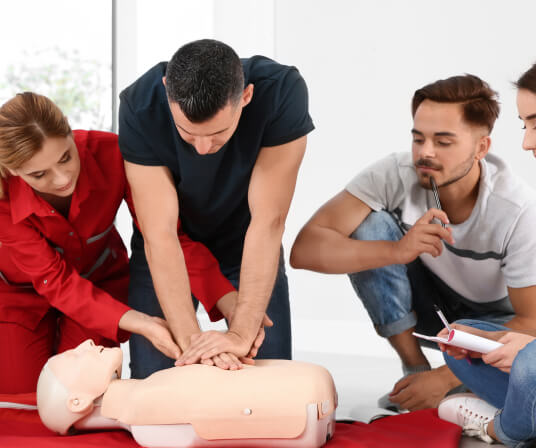
Cpraed-first-aid-combo-img-eng
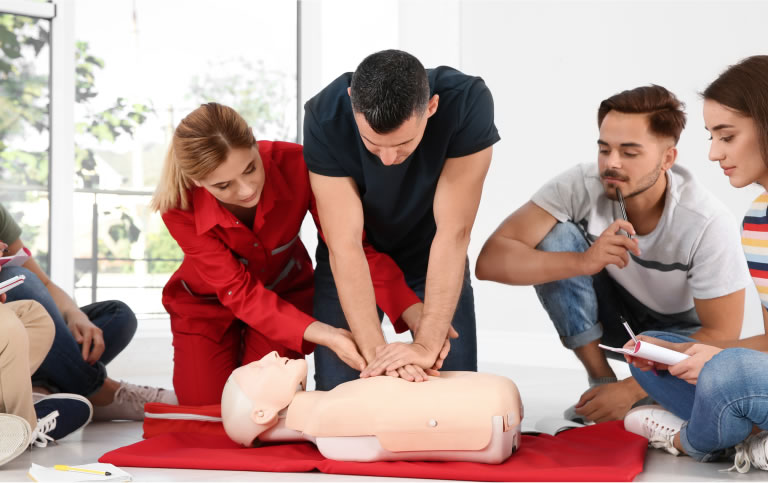
Cpraed-first-aid-and-bloodborne-pathogens-combo-mob-img

CPR/AED, First Aid &
Bloodborne Pathogens
Combo

Our CPR/AED and First Aid for Nervous System Emergencies combo course includes training in Adult, Child and Infant CPR, First Aid and Bloodborne Pathogens certification. The CPR/AED and First Aid certification is valid Read More for 2 years and the Bloodborne Pathogens certification is valid for 1 year, per OSHA guidelines. The course also includes a free printable wallet card. Read Less
(111,773 reviews with 4.8 stars)

$49.95 $59.85

ChaptersCE CreditsValidityCostDurationECCExam AttemptsWallet Card
292 Years$49.952 HrsCompliantUnlimitedDownload/Print/Mail
  • Chapters29
  • CE Credits
  • Validity2 Years
  • Cost$49.95
  • Duration2 Hrs
  • ECCCompliant
  • Exam AttemptsUnlimited
  • Wallet CardDownload/Print/Mail

Select Course

Chapter 9: Choking Emergencies

Adult and Child

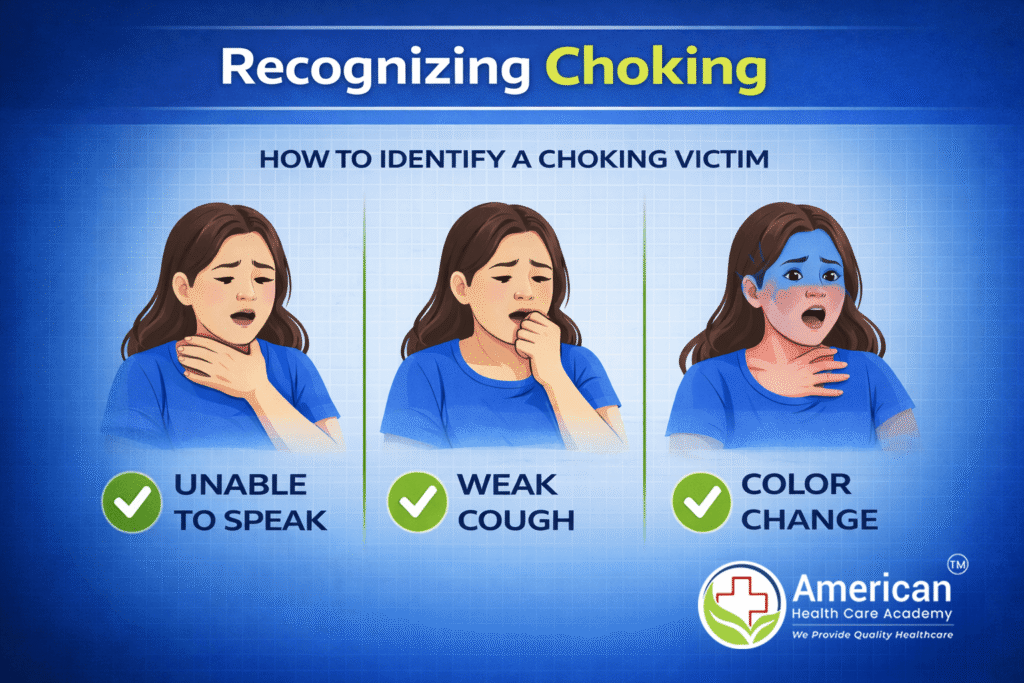
A common sign of choking is when someone grabs their neck with one or both hands. This is known as the universal choking sign.

Ask, “Are you choking?” 

Recognising-choking

If they cannot speak, breathe, or cough forcefully:

  1. Stand behind them.
  2. Place a fist just above the belly button.
  3. Grasp your fist with your other hand.
  4. Give quick, upward abdominal thrusts.
  5. Continue cycles of 5 back blows and 5 chest thrusts until the object is removed or the infant becomes unresponsive.

Continue until the object comes out or they can breathe.

If the person becomes unconscious:

  • Lower them to the ground.
  • Begin CPR immediately.

For pregnant individuals or those you cannot reach around, use chest thrusts instead.

Infant Choking

If an infant cannot cry, cough, or breathe:

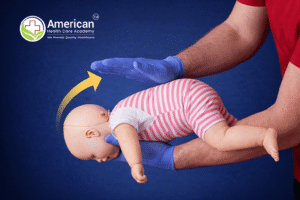
  1. Hold the infant face down on your forearm, head lower than chest.
  2. Give 5 firm back blows between the shoulder blades.
    Choking-infant
  3. Turn the infant face up.
  4. Give 5 chest thrusts using the heel of one hand in the center of the chest.
  5. Continue cycles of 5 back blows and 5 chest thrusts until the object is removed or the infant becomes unresponsive.

If the infant becomes unconscious:

  • Begin infant CPR immediately.