Bing Ads
Home » Bloodborne Course » Bloodborne Handling Exposure
Bloodborne-pathogen-course-img-eng
Bloodborne-pathogen-course-mob-img

Online Bloodborne Pathogens Certification Course

Get 100% online OSHA-compliant Bloodborne Pathogens training. Complete the course in just 1–2 hours and receive instant certification valid for 1 year, with unlimited quiz retakes.

Our Bloodborne course includes sessions on transmissions of pathogens, handling exposure, and protection from pathogens. The course follows OSHA guidelines and is valid for 1 year. Printable wallet card available after completing the course.

(111,773 reviews with 4.8 stars)

$9.95 $24.90

ChaptersCE CreditsValidityCostDurationECCExam AttemptsWallet Card
072.01 Year$9.951-2 HrsCompliantUnlimitedDownload/Print/Mail
  • Chapters07
  • CE CreditsNA
  • Validity1 Year
  • Cost$9.95
  • Duration1-2 Hrs
  • ECCCompliant
  • Exam AttemptsUnlimited
  • Wallet CardDownload/Print/Mail

Select Course

Chapter 5: Handling Exposure

cpr-online-certification-exposure

When exposure to blood or other potentially infectious materials occurs, your response needs to be fast and effective. This chapter of your Online Bloodborne Pathogens Training guides you through the critical steps to take if you’re ever in this situation.

Steps to Take After Exposure

If you’re exposed to blood or blood-containing materials, follow these OSHA-recommended steps immediately:

  • Flood the exposed area with water right away.
  • If you’re wearing gloves, remove them carefully.
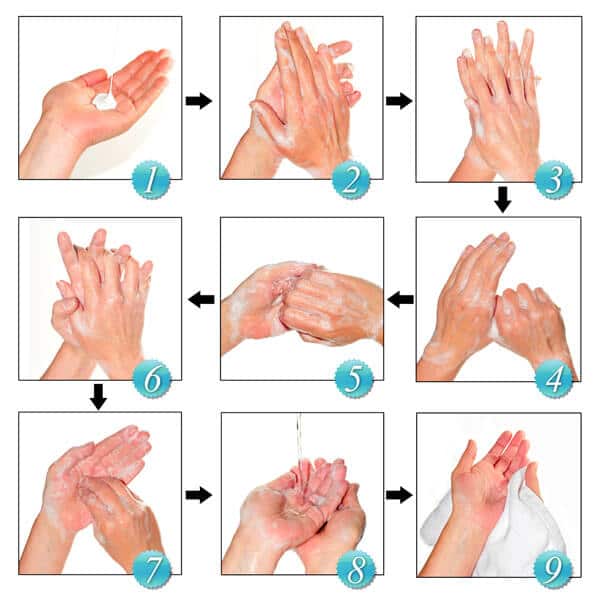
  • Wash your hands thoroughly using soap and plenty of water.
  • Report the incident to your supervisor or employer without delay.
  • Seek medical attention as directed by your workplace protocol.

“If you are stuck by a needle or other sharp object or get blood or other potentially infectious materials in your eyes, nose, mouth, or on broken skin, immediately flood the exposed area with water and clean any wound with soap and water or a skin disinfectant if available. Report this immediately to your employer and seek immediate medical attention.” – OSHA

How to Remove Gloves Safely​

cpr-certification-online-removing-gloves

To avoid skin contact with contaminated gloves:

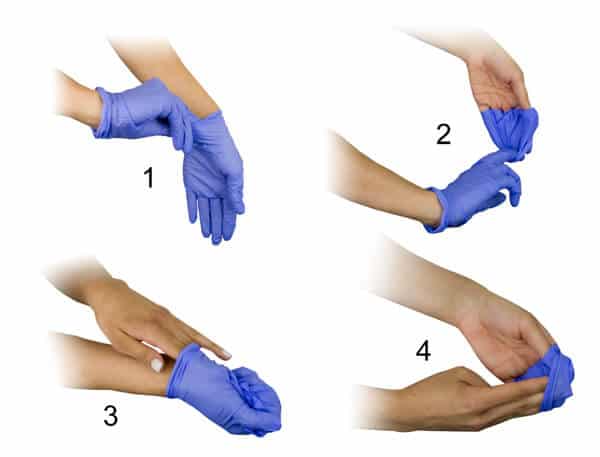
  1. Grip the outside of one glove near the cuff and peel it down and away so it turns inside out. (Avoid pulling from the fingertips to prevent splatter.)
  2. Hold the removed glove in your still-gloved hand.
  3. With your ungloved hand, insert two fingers under the cuff of the remaining glove—don’t touch any damp or soiled areas.
  4. Peel off the second glove inside out, so it wraps around the first.
  5. Dispose of gloves properly per your employer’s instructions. Contaminated gloves must go into a biohazard waste bag.

If you are exposed to blood or blood-containing materials, you should act quickly and safely to protect yourself from becoming sick.

In case of exposure, follow these steps:
  1. Immediately flood the exposed area with water
  2. If you are wearing gloves, remove the gloves (follow proper methods as shown below)
  3. Wash your hands with soap and large amounts of water (as demonstrated in the diagram below)
  4. Report the incident to your employer or supervisor
  5. Seek medical attention as advised by employer
cpr-online-certification-exposure

“If you are stuck by a needle or other sharp or get blood or other potentially infectious materials in your eyes, nose, mouth, or on broken skin, immediately flood the exposed area with water and clean any wound with soap and water or a skin disinfectant if available. Report this immediately to your employer and seek immediate medical attention.” – OSHA

Removing Gloves Safely:

Remember when removing contaminated gloves you will have to do so without touching the outside of the gloves with your bare hands.

  1. Grip one glove on the outside of the glove near the cuff and peel it down until it comes off inside out. (Note: never pull from the finger tips; blood can spray)
  2. Cup the removed glove with your gloved hand.
  3. Place two fingers of your bare hand inside the cuff of the glove that you have on. Be sure to not touch any damp or contaminated areas of the glove.
  4. Peel that glove off so that it comes off inside out (with the other glove inside it).
  5. Dispose of the gloves properly as instructed by your employer. If contaminated, ensure that the gloves are placed in a biohazard waste bag.

cpr-certification-online-removing-gloves