




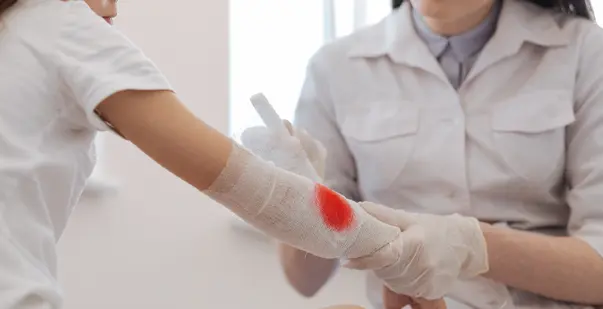
Bleeding looks dramatic, and it can turn deadly fast. This applies to severe injuries, such as deep cuts, stab wounds, gunshot wounds, machinery injuries, road traffic accidents, and traumatic amputations, where blood loss is rapid and uncontrolled. In these cases, a person can lose enough blood to die in 3 to 5 minutes, while a typical EMS response takes seven to ten minutes. That gap is where lives are often lost.
Learning how to stop bleeding gives you a simple plan you can use before help arrives. However, there’s a problem. Most people hesitate, unsure whether to press, wash, or just wait. The solution is clear and teachable. The steps involved are now even standard in public training, such as first aid and CPR classes, workplace safety programs, and community disaster preparedness courses, because they save lives between the 911 call and EMS arrival.
This guide breaks down proven steps anyone can follow to stop different bleeding types quickly, apply the right bleeding precautions, and stay calm when minutes matter most.
How to Stop Bleeding? First Aid for Various Causes
Most severe bleeding doesn’t happen out of the blue. It follows trauma that cuts, tears, or crushes blood vessels. In fact, uncontrolled hemorrhage is a leading cause of preventable trauma deaths, and 50% fatalities occur before a patient reaches the hospital. That’s why you should know different injuries that cause bleeding and learn how to stop bleeding. Let’s break down how to deal with the most common types of bleeding injuries:
- Deep Cuts and Lacerations
Knives, glass, or sheet metal can cut deeply and slice blood vessels in seconds. These wounds often bleed steadily and heavily. But most of the time, firm, steady pressure is all it takes to bring it under control. So, how to stop a cut from bleeding? Follow the steps listed below:
- Rinse the wound gently under clean, running water to remove dirt, but don’t dig into the wound.
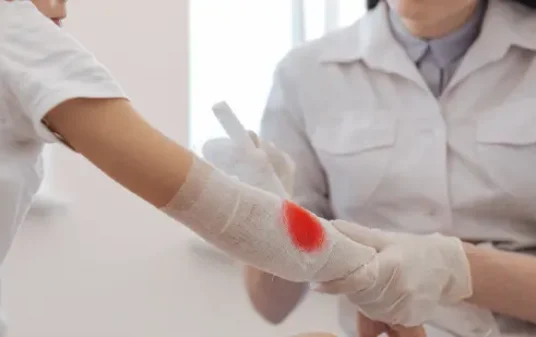
- Press firmly for at least 10 minutes with clean gauze or cloth. Don’t lift it to “check.”
- If blood soaks through, add more layers on top and keep pressing.
- Once bleeding slows, secure the dressing.
- Make sure fingers or toes beyond the wound are warm and have a normal color. Coldness, numbness, or a bluish color would mean the bandage is too tight and is cutting off circulation.
- Penetrating Injuries (Stab or Gunshot Wounds)
Objects that pierce the body, like knives, nails, or bullets, can damage deep blood vessels and cause both internal and external bleeding. It’s dangerous to remove anything stuck in the wound because that can make bleeding worse. You can follow these steps:
- Don’t pull out objects stuck in the wound. Support them with padding on both sides and secure loosely.
- If the wound is deep, pack it gently with a sterile or clean gauze. Use hemostatic gauze (a special clotting bandage) if available, but plain gauze is effective too.
- If it’s a limb injury and bleeding doesn’t slow, use a tourniquet if you are trained. Place it 2-3 inches above the wound and tighten until bleeding stops. Note the time of application, as tourniquets are generally safe for only up to 2 hours when used correctly before tissue damage starts becoming a concern.
- Call 911 as soon as possible.
- Junctional Wounds (Groin, Armpit, or Neck)
Wounds in these areas are difficult to manage because you can’t use a tourniquet. They also have major blood vessels close to the surface, so even small wounds can lead to dangerous bleeding. The most effective approach here is to pack and press.
- Expose the wound and find where the bleeding is coming from.
- If no object is embedded, pack the wound firmly with sterile or clean gauze, pressing directly into the source.
- If clothing is stuck to the wound, leave it in place.
- Press hard with both hands and hold that pressure until help arrives.
- If you are alone, use knee or elbow pressure to maintain strong compression while keeping your hands free to call for help.
- Amputations and Partial Limb Loss
Accidents involving machinery, saws, or vehicles can sometimes affect fingers, hands, or limbs. These injuries bleed heavily and need urgent action. Tourniquets work the best in these situations, but use them only if you are trained. Here are the steps to follow for this emergency:
- Always call 911 first.
- Wrap a tourniquet 2–3 inches above the wound and tighten until bleeding stops. Record the time of application.
- Gently wrap the severed part in clean gauze, place it in a sealed bag, and put that bag on ice (don’t put the part directly in water or ice).
- Keep the person still, calm, and warm until help arrives.
Note: Never place a tourniquet over a joint (such as the knee or elbow). This is a common mistake and prevents proper compression of the blood vessel.
- Open (Compound) Fractures
When a broken bone breaks through the skin, it tears blood vessels and soft tissue, which often causes heavy bleeding. These wounds are also at risk for infection, so avoid unnecessary movement. So, what stops bleeding fast in these cases? Follow the steps below:
- Call 911 and keep the person calm and still.
- Do not try to push the bone back into place.
- Cover the wound lightly with a sterile dressing.
- Apply gentle pressure around the wound to help control bleeding, but avoid pressing directly on exposed bone.
- Do not pour hydrogen peroxide or betadine into deep wounds. These can damage healthy tissue and delay healing.
- Splint the limb in the position you found it, but don’t try to straighten or align the bone.
- Scalp Lacerations
Even small scalp wounds bleed a lot because of the number of blood vessels present in the area. Most are not serious, but still need care. If you suspect a skull fracture, be gentler with pressure and follow these steps:
- Press a clean cloth or gauze pad firmly against the wound and keep it there.
- Do not press hard if you suspect a skull fracture. For example, if a bone is visible, the wound feels soft and sunken, there is fluid leaking from the ears or nose, or the person was hit hard in the head. Instead, lightly cover the wound and wait for emergency help. Excess pressure can raise intracranial pressure and increase the risk of brain herniation.
- Try to keep the person’s head still and watch for confusion, vomiting, severe headache, or loss of consciousness.
- Severe Nosebleeds or Facial Bleeding
The face and nose have many blood vessels, so even small injuries can bleed heavily. These injuries often occur from direct trauma, falls, accidents, or vigorous nose blowing. Most nosebleeds stop on their own if treated correctly, but some require medical care. Here are the key first aid steps for nosebleeds or facial injuries:
- Sit upright and lean slightly forward (don’t tilt the head back).
- Pinch the soft part of the nose just below the bony bridge for 10–15 minutes without stopping to check.
- Spit out any blood instead of swallowing it.
- Do not pack the nose with tissue or cloth. Packing can push blood backward into the airway, worsen bleeding, or interfere with breathing.
- Seek medical help if bleeding continues after 15 to 20 minutes or if there was a blow to the face.
Call 911 now if:
- Bleeding is heavy and does not slow after 20 minutes.
- The person has trouble breathing or is losing large amounts of blood.
- The nosebleed follows a head injury with confusion or loss of consciousness.
- Varicose Vein Bleeding (Leg)
Even a small scratch over a varicose vein can cause severe bleeding, especially when standing. But please note that bleeding from a varicose vein can be serious, especially in older adults, and can lead to significant blood loss. So, always call 911 immediately. You can also stop it quickly at home by following the right steps:
- Lie down and raise the leg above heart level.
- Press directly over the bleeding spot for 10–20 minutes.
- Apply a snug bandage and check if bleeding has stopped.
- If it hasn’t after 20–30 minutes, seek medical attention right away.
- Dialysis Access Site Bleeding (AV Fistula or Graft)
Bleeding from a dialysis access site (AV fistula or graft) is a medical emergency. As blood flow through these sites is high, even a small opening can lead to rapid, life-threatening blood loss if not controlled quickly. Here’s how you can stop bleeding fast:
- Apply firm, direct pressure with two fingers or a small folded piece of sterile gauze directly over the bleeding spot.
- Keep continuous pressure for at least 10 minutes before checking.
- Elevate the arm above heart level if possible.
- Call 911 immediately if bleeding is heavy, does not stop, or the person feels weak or faint.
- Do not use a tourniquet. A tourniquet can damage the fistula or graft, cut off vital blood flow, and permanently compromise dialysis access.
- Blunt Force Trauma (Crashes, Falls, or Hard Impact)
Major falls, vehicle collisions, or heavy impacts can rupture blood vessels inside the body even without an open wound. Internal bleeding can build up quickly and cause shock before you realize it. Look for bruising, swelling, faintness, or confusion. Symptoms may appear hours later, so continued monitoring and early medical evaluation are critical.
- Call 911 immediately.
- Keep the person still and avoid unnecessary movement.
- If they are alert and breathing comfortably, help them lie flat. If breathing is difficult, allow a semi-upright position.
- Cover with a light blanket to prevent heat loss.
- Do not give food or drink.
- If there’s external bleeding, apply direct pressure with a clean cloth.
- Monitor their breathing. If they become unresponsive and are not breathing normally, begin CPR.
- Pelvic Fractures
The pelvis contains major blood vessels, so fractures can cause life-threatening internal bleeding even without obvious signs. Movement can worsen the damage, and rapid blood loss is common in severe cases. Here’s what stops bleeding fast:
- Call emergency services without delay.
- Do not move the person unless absolutely necessary.
- Keep them lying flat on a firm surface and as still as possible.
- If there’s external bleeding, apply gentle pressure.
- Watch closely for signs of shock and changes in breathing.
- Trained responders may apply a pelvic binder to stabilize the pelvis and reduce bleeding.
- Post-Dental Extraction and Mouth Wounds
The mouth bleeds easily, and post-extraction bleeding can seem intense. Most cases stop with steady bite pressure, but persistent bleeding, especially in people on blood thinners, needs medical attention.
- Bite down on moist sterile gauze for 10–20 minutes while leaning forward.
- Avoid spitting, rinsing, or drinking hot liquids immediately.
- A cool, wet tea bag can help with clotting if gauze isn’t enough.
- Contact a dentist or emergency services if bleeding continues beyond 30 minutes.
Read more: Complete Guide to First Aid for Bleeding and How to Treat It
Severe Bleeding First Aid: Dos and Don’ts Everyone Should Know
A person can lose enough blood to go into shock, or even die in minutes. But with the right actions, you can dramatically improve their chances of survival before help arrives. The key is knowing what helps and what harms. Even small mistakes, like lifting a bandage too soon or pressing too gently, can undo life-saving efforts/ Here’s what to do and what to avoid during severe bleeding:
| Do | Don’t |
| Call 911 immediately while you start controlling the bleeding. | Wait to call for help or assume the bleeding will stop on its own. |
| Apply firm, continuous pressure directly on the source with clean gauze or cloth for 10–20 minutes. | Lift dressings to check the wound before the bleeding has stopped. |
| Add new layers on top if blood soaks through, without removing the first one. | Press lightly, as too little pressure won’t control severe bleeding. |
| Pack deep wounds, especially in the groin, armpit, or neck, with gauze and press hard. | Press directly on exposed bone or scrub deep wounds. |
| Stabilize any impaled object with padding on both sides and leave it in place. | Remove objects stuck in the wound, which can worsen bleeding. |
| Use a tourniquet only for severe limb bleeding that doesn’t stop with pressure. Place it 2–3 inches above the wound, tighten until bleeding stops, and note the time. | Loosen or remove a tourniquet once it’s applied. |
| Keep the person warm, still, and watch for signs of shock while waiting for help. | Tilt the head back during nosebleeds or stuff the nose with tissue. |
| Stay with the person until emergency responders arrive and explain what you’ve done. | Use hard objects to press on a bleeding dialysis site. |
| Give food, drinks, or medications while waiting for help. |
Read more: 5 Lifesaving Skills to Learn This World First Aid Day
Enroll in a First Aid Course to Manage Bleeding Effectively!
Learning how to stop bleeding is more than a basic skill. It is the difference between saving a life and losing precious time in an emergency. Severe bleeding can turn critical within minutes, but the right actions taken early can keep someone alive until medical help arrives. Knowing how to apply steady pressure, when to use a tourniquet, and how to avoid common mistakes gives you real control in those intense moments. The best way to build that readiness is through proper training. Enroll in an accredited online first aid course today and learn how to stop bleeding with confidence, respond to different injuries, and step in decisively when every second matters.
FAQs
1. How quickly can severe bleeding become life-threatening?
Severe bleeding can become life-threatening in as little as 5 to 10 minutes if not controlled. Rapid blood loss may lead to shock, so calling 911 and applying firm pressure right away is critical.
2. Should I always use a tourniquet for severe bleeding?
No. Use a tourniquet only if bleeding from a limb does not stop with firm pressure and you are trained. Place it 2–3 inches above the wound and tighten until bleeding stops.
3. What should I do if an object is stuck in the wound?
Do not remove it. Removing an embedded object can increase bleeding and cause more damage. Instead, stabilize it with padding on both sides and apply gentle pressure around the wound.
4. Can I treat severe bleeding without formal training?
You can provide basic first aid like applying pressure and calling 911, but formal training teaches correct techniques, when to use advanced measures like tourniquets, and how to stay safe while helping.