



Do you know that around 5.4 million people all over the world are bitten by snakes every year, as per the WHO? In fact, of these, 2.7 million are affected by venomous snakes. While most snake bites are not always fatal, panic often causes people to delay or skip proper first aid for a snake bite, something that can make the situation worse. You must note that different regions have different snake species and venom types. The approach to managing snake bites in India, Africa, or Australia can vary based on local snake varieties and available treatments.
Typically, a snake bites to hunt prey or defend itself. Non-venomous snake bites can still cause infection and serious wounds. However, venomous species can be life-threatening. Toxic elements in snake venom can lead to complications like paralysis, hemorrhage, and more. Read on to explore what to do and what not to do after a snake bite, with preventive measures to avoid the emergency. Let’s dive in!
What Happens When a Snake Bites?
Before you learn first aid for snake bites, it’s important to be aware of what happens to your body when a snake bites. Venomous snakes have specialized glands that produce venom, which is injected through their fangs when they bite. This venom isn’t just saliva. It is a complex mixture of enzymes and proteins designed to immobilize prey and start the digestion process.
Venom spreads through your lymph system initially, not your blood. So staying still helps slow it down. But eventually it gets into circulation, and that’s when systemic effects start. Depending on the type of snake, the venom may affect the nervous system (neurotoxic), damage blood and tissue (hemotoxic), destroy cells (cytotoxic), or impair muscles (myotoxic). These effects can start appearing within minutes. The body may go into a state of medical shock, with symptoms like rapid heartbeat, low blood pressure, or dizziness. Always stay calm and still after a bite, as movement can accelerate venom spread by activating the lymphatic flow.
Read More: First Aid for Allergy Attacks and Anaphylaxis: Causes and Treatment.
How to Recognize a Snake Bite?
When you identify snake bite symptoms quickly, it helps you understand the severity of your situation and seek the right venomous snake bite treatment. Here are some warning signs to look out for:
Local and Immediate Symptoms
Local Symptoms (Pain, Swelling, and Redness)
You’ll notice immediate severe pain at the bite site within minutes of a venomous bite. Rapid swelling spreads from the wound, and the area becomes red, warm, and tender to the touch. Look for visible puncture marks or scratches where the fangs penetrate your skin. However, in some cases, the bite may not inject venom (“dry bite”) or symptoms may appear after 30 minutes or more.
Swollen or Tender Lymph Nodes
As venom travels through the lymphatic system, it may cause nearby lymph nodes, such as those in the groin or underarms, to become swollen or tender. This can be an early indicator that the venom is spreading beyond the bite site and affecting the immune response.
Neurological Symptoms
Vision and Speech Changes
Certain snakes—particularly cobras, kraits, and other elapids- inject neurotoxic venom that targets the nervous system. Early symptoms include drooping eyelids, blurred vision, slurred speech, difficulty swallowing, and trouble with coordination. These are warning signs of neurotoxic envenomation, which can progress quickly. Without prompt treatment, neurotoxic effects can lead to respiratory failure within hours. Immediate emergency care is critical.
Muscle Twitching or Progressive Paralysis
Neurotoxic venom from elapids like kraits or coral snakes can disrupt nerve signals to muscles. This may cause localized twitching at first, followed by progressive weakness or paralysis that moves upward from the bite site. If untreated, this can result in total paralysis and respiratory arrest. In contrast, viper bites rarely cause paralysis. Their venom primarily targets blood vessels and clotting mechanisms rather than the nervous system.
Excessive Salivation and Sweating
Some snake venoms, especially from elapid species like cobras, can overstimulate the nervous system. Victims might experience heavy salivation, drooling, or excessive sweating. These signs, while less obvious, often accompany vision problems or difficulty breathing and should not be ignored.
Unusual Taste or Sensation in the Mouth
Some people describe a strange, bitter, or metallic taste in their mouth shortly after being bitten. Though not common, this can be an early systemic response to certain neurotoxic venoms. Tingling around the lips or face may also accompany this symptom.
Systemic and Blood-Related Symptoms
Nausea, Breathing Issues, Weakness)
When venom spreads beyond the bite site, your body may respond with systemic symptoms. Common signs include nausea, vomiting, dizziness, and widespread muscle weakness. You may also notice an abnormally fast or slow heart rate (tachycardia or bradycardia), excessive sweating, and shortness of breath. These are clear indicators that the venom is affecting internal systems and not just the area around the bite.
Bleeding and Clotting Problems
Certain venoms affect your blood’s ability to clot properly. Watch for unusual bleeding from the bite site, gums, or nose that won’t stop. You might notice bruising that appears without injury or blood in your urine or stool. Hemotoxic venom, often found in vipers, can also cause internal bleeding and requires immediate hospital care. The clotting time test is often done in rural clinics to detect viper bites.
Shock and Circulatory Collapse
In some venomous bites, especially when left untreated, the victim may go into shock. Signs include cold, clammy skin, rapid or weak pulse, shallow breathing, and confusion. If the bite causes a sudden drop in blood pressure or loss of consciousness, it may indicate circulatory failure, which requires immediate hospital care. Shock can also develop due to allergic reactions or fluid loss from tissue damage.
Abdominal Discomfort and Cramps
In certain cases, venom may cause intense abdominal pain or cramping. Some victims report nausea, bloating, or a general sense of unease in the stomach, which can be mistaken for indigestion or food poisoning. This is more likely when the venom starts affecting internal organs.
Important Notes:
- Some bites may be “dry” (no venom injected) with minimal symptoms
- Symptoms can sometimes appear 30+ minutes after the bite
- Viper bites primarily affect blood and tissue, rarely cause paralysis
- Any suspected venomous bite requires immediate medical attention regardless of initial symptom severity
What to Do Immediately After A Snake Bite?
According to the CDC, roughly 7,000–8,000 people are bitten by venomous snakes each year in the United States, and about five of those people die. Your immediate response in such emergencies determines everything. The following steps must be performed quickly and correctly to maximize your chances of survival.
Check for Safety
Before you begin the snake bite first aid steps, ensure the snake is no longer nearby to prevent any additional bites. Try to note down its appearance from a distance for identification. Even a photo from a safe distance can be invaluable. But never attempt to catch or kill the snake.
Call for Emergency Help First
If a snake bites you, call 911 or Poison Control (1-800-222-1222 or your local emergency number right away. This is your absolute priority. Even if you feel fine initially, venom effects can be delayed. Since snakes are quick during a bite, you may not get a good look at a snake to identify whether it’s venomous or nonvenomous, so seek a professional medical assessment.
Stay Calm and Still
Keep the person calm and at rest, remaining as still as possible to keep the venom from spreading. Movement increases blood circulation, which can distribute venom faster throughout your body. Sit or lie down immediately, preferably in a shaded area, if outdoors. It helps prevent heat exhaustion. Avoid any unnecessary physical activity.
Position Yourself Correctly
Have the person lie down and keep the affected limb immobilized and at the same level as the heart. Avoid elevating or lowering the limb, as this can either increase venom spread or compromise blood flow. Keeping it neutral helps slow the circulation of venom while minimizing tissue damage. Use a splint or any rigid support to limit movement if possible.
Remove Constrictive Items
Remove any jewelry from the area that was bitten. Remove shoes if the leg or foot is bitten. Swelling happens rapidly after venomous bites, and rings, watches, or tight shoes can cut off circulation and cause additional tissue damage.
What are the Steps to Protect the Wound Site?
Now that you know what to do after a snake bite, it’s time to know how to protect the wound site. Correct wound care prevents infection and helps medical professionals assess the bite severity when you reach the hospital. Here’s how you can ensure proper wound care,
Clean and Cover the Wound
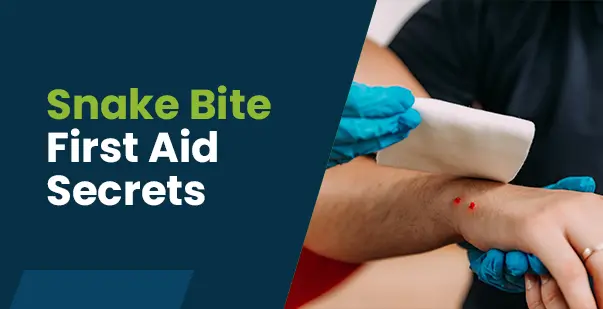
Cover the wound with a loose, sterile bandage. Use a clean cloth or sterile gauze if available. Avoid tight wrapping that could block blood circulation or worsen tissue damage. The goal is to protect the wound, not apply pressure.
Apply Pressure Bandaging
Applying ideal pressure is one of the important steps in first aid for a snake bite. If the bite is on your limb, use a pressure immobilization bandage. Start bandaging from the end of the limb (fingers or toes) and continue up past the bite site, keeping the limb completely still. Splint the limb if possible to prevent movement. Wrap the bandage past the snakebite and as far up the limb as possible. This technique helps contain venom.
However, this technique is primarily recommended for bites from snakes with neurotoxic venom, such as cobras and kraits. In contrast, it is not the standard practice in the U.S. for pit viper bites, which are more common and typically cause swelling and bleeding. Applying a pressure bandage in such cases may increase tissue damage and worsen swelling. If unsure about the type of snake, and swelling is already present, do not use pressure bandaging.
Document the Bite
Take photos of the bite site and the snake if possible (without putting yourself at further risk). This information helps medical professionals identify the species and determine appropriate treatment. Make a note of: time of bite, symptoms (pain, swelling, dizziness), and any changes like difficulty in breathing.
Administer CPR if Necessary
In rare but serious cases, CPR may be required, especially if the snake is highly venomous and neurotoxic, such as a krait or cobra. Their venom can paralyze the muscles involved in breathing, leading to respiratory failure. If the person becomes unresponsive or stops breathing, begin CPR immediately: give 30 chest compressions followed by 2 rescue breaths. Continue the cycle until the person starts breathing again or emergency services take over. Only perform CPR if there are clear signs of respiratory arrest or unconsciousness.
How to Transport the Snakebite Victim Safely?
Professional medical treatment is the only definitive solution for venomous snake bites. In case of a snake bite, the victim should be handled with utmost care on an emergency basis. After the first aid for snake bite has been administered, the patients should be transferred to the nearest hospital or medical facility for further treatment. Here are some tips for transporting the snakebite victim,
- Call an ambulance rather than driving yourself. Paramedics can provide initial treatment and monitor your condition during transport.
- Prevent victims from running and instead walk gently to the transportation means. If you must drive, have someone else do it while you remain still.
- If an ambulance isn’t available and you must transport the person yourself, use a car, not a two-wheeler.
- Keep the victim calm, still, and laid flat with the affected limb immobilized. Do not let them walk or move around, as that can speed up venom spread.
- If it’s dark, use a flashlight to navigate safely, especially in rural or low-light areas.
What Not to Do After A Snake Bite?
Common misconceptions about snake bite treatment can worsen your condition and delay proper medical care. There are various older myths about first aid for snake bites, which have been proven to be more dangerous than an actual snake bite. Here are some practices to avoid during a snake bite incident,
Never Use Tourniquets
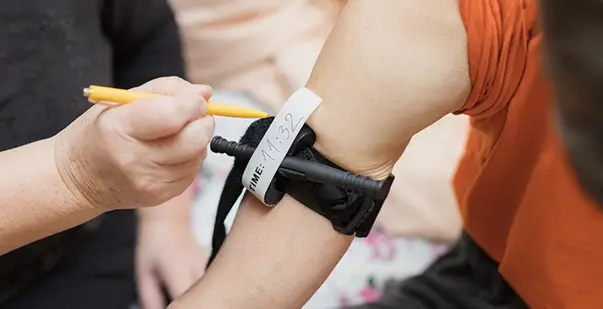
Avoid applying tourniquets or tight constricting bands above the bite. These can cut off the blood supply completely, leading to tissue death and potential amputation. Proper pressure bandaging is different from tourniquet application. In many cases, the use of a tourniquet around the bitten limb leads to amputation.
Don’t Suck the Wound
Movies have popularized the dangerous myth of sucking out venom. However, it has no proven benefit and can cause infection, even necrosis (death of the surrounding tissue) in the wound. Moreover, in the process, the person attempting to suck venom risks poisoning themselves. This can introduce bacteria and worsen infection risk.
Don’t Cut the Wound
Never attempt to cut the bite site to drain venom. This method is ineffective because venom typically spreads through the lymphatic system, not directly through the bloodstream. Cutting the skin can increase the risk of severe infection and doesn’t remove enough venom to be helpful. Similarly, avoid sucking the wound. This can cause more harm than good and delay proper treatment.
Avoid Ice or Heat
Don’t apply ice, heat, or chemical substances to the bite site. These can worsen tissue damage and interfere with proper medical treatment. The room temperature is best for the affected area.
Skip Folk Remedies
Traditional remedies like herbal pastes, alcohol consumption, or electric shock therapy are not only ineffective but can be dangerous. Stick to proven medical first aid techniques and seek professional treatment immediately.
Are All Snake Bites Venomous?
No, not all snake bites are venomous. In fact, according to McGill University’s research, of over 4000 different species, 600 are only venomous, of which 200 have venom that can kill a person. 50% of bites by venomous species are dry bites, where the snake strikes you as a warning shot and doesn’t inject venom into its bite. However, if a snake bites you, even trained professionals can’t always tell if venom was injected. So always treat the bite as venomous.
Therefore, you should never assume you’re safe and always treat the snake bite as a worst-case scenario. Ensure to do the best you can to apply pressure on the site and let the paramedics check you out thoroughly. In fact, even non-venomous snake bites can cause infection. So, it’s important to be aware of the first aid for snake bites to prevent severe allergic reactions.
Read More: First Aid for Scalding: How to Treat Hot Water Burn Injury
What are the Ways to Avoid Snake Bites?
The best snake bite treatment is prevention. Snakes bite when they feel threatened. Therefore, by understanding snake behavior and taking proper precautions, you can dramatically reduce your risk of encounters. Below are some ways to avoid snake bites,
Know Your Local Snakes
Learn to identify venomous species in your area and understand their preferred habitats. In the United States, the “Big Four” venomous snakes are rattlesnakes, copperheads, cottonmouths, and coral snakes. Each species has distinct markings and behaviors that can help you avoid dangerous encounters.
Wear Proper Footwear Outdoors
Boots reduce your snake bite risk by approximately 60%, according to multiple health organizations including the WHO and PAHO. High-top leather boots provide the best protection since most snake bites occur on the lower legs and feet. Avoid sandals or flip-flops in areas where snakes might be present.
Use Torches at Night
Snake vision is poor in bright light, so shining a flashlight helps them avoid you. Always carry a reliable torch when walking outdoors after dark. The bright light gives snakes advance warning of your presence, allowing them to retreat before you get too close.
Stay on Established Paths
Keep away from tall grass, logs, and dense vegetation where snakes commonly hide. Stick to marked trails and open areas whenever possible. Most snake encounters happen when people venture off established paths into natural snake habitats.
Stay Alert and Make Noise
Snakes typically avoid humans and will flee if they detect your presence. Make noise while walking, especially in tall grass or rocky areas. Use a walking stick to probe ahead of you, and be extra cautious around wood piles and rock crevices.
Don’t Panic
If you happen to come across a snake, don’t startle it by jumping around. Remain still until the snake continues to move on in its way. Remember that snakes are more afraid of you than you are of them. It only strikes when it feels concerned or threatened by your presence.
Keep Areas Clean
Remove rodent food sources around your property because snakes follow their prey. Store pet food in sealed containers, eliminate water sources, and clear brush piles where rodents might nest. A rodent-free environment naturally deters snakes from settling nearby.
Safe Trials Ahead: Master the First Aid Fundamentals
Snake bites often happen accidentally and pose a potential threat to human life. Therefore, proper knowledge of first aid for snake bites could help you save a life. Call emergency services immediately, stay still and calm, position the wound below heart level, remove constrictive items, and cover the wound loosely. At the same time, avoid dangerous myths like cutting the wound or applying tourniquets. Proper awareness of education can empower people to respond effectively in such incidents and save lives.
Take an online first aid course today to prepare yourself and your loved ones for any medical emergency. Learn life-saving techniques from anywhere, anytime, at your own pace, without travel requirements.
Read More: Get First Aid Certified for Emergencies