





Obstructive sleep apnea and other breathing disorders now affect a large and growing share of adults in the United States. A 2025 projection estimated that over 76 million Americans will have obstructive sleep apnea by 2050. This is because most individuals show signs of sleep-disordered breathing, with prevalence climbing as obesity and older age rise. For many people, positive airway pressure devices bring life-changing relief. This is where a BiPAP machine can improve sleep quality, lower daytime sleepiness, and reduce strain on the heart and lungs.
This article explains what a bipap machine is, when clinicians choose it over CPAP, the conditions it treats, and the common dangers of bipap machines that patients and caregivers should understand. Read on for clear, practical guidance!
What is a BiPAP Machine?
A BiPAP machine stands for a bilevel positive airway pressure device. It delivers pressurized air through a mask to keep airways open. The device uses two pressure settings. One higher pressure that helps when you inhale. A lower pressure makes exhaling easier. Clinicians program the inhalation positive airway pressure (IPAP) and the exhalation positive airway pressure (EPAP) based on your needs.
What is a BiPAP Machine Used For?
BiPAP comes into the picture when breathing needs a little more support. It helps people who can breathe on their own but cannot move air efficiently enough to stay stable. Different sleep or respiratory conditions create their own pressure on the lungs or the brain, so BiPAP delivers structured support that matches those needs. For example:
COPD Flare-Ups
COPD flare-ups make it harder to push air out of the lungs. That trapped air raises carbon dioxide levels and leaves people short of breath. BiPAP eases this workload by offering lighter pressure during exhalation. This support helps restore balance and makes breathing feel less tiring.
Hypercapnic Respiratory Failure
Hypercapnia develops when the body cannot remove carbon dioxide well. That imbalance affects alertness, energy, and the drive to breathe. BiPAP helps in such conditions by providing stronger inhalation support, which improves ventilation. Many patients see a steady improvement as carbon dioxide levels come down.
Heart Failure With Breathing Trouble
Heart failure can lead to fluid in the lungs, which makes breathing feel heavy and uncomfortable. BiPAP opens the airway and reduces the amount of effort needed to take each breath. That extra help takes pressure off the heart while improving oxygen levels. People often describe the change as a noticeable easing of strain.
Central or Complex Sleep Apnea
Central sleep apnea happens when the brain does not send a stable signal to breathe. CPAP may not respond well to these irregular patterns. BiPAP adjusts its pressure levels based on inhalation and exhalation, which supports a smoother breathing rhythm. This makes sleep more stable and safer.
Transition After Invasive Ventilation
Some patients need a step between being on a ventilator and breathing without equipment. BiPAP offers that bridge because it supports breathing without a tube in the airway. This transition allows the lungs to work with less stress while the body recovers. Providers track progress and adjust settings as needed.
How Does BiPAP Help Breathing Mechanics?
BiPAP supports the lungs by making each step of breathing a little easier. It does this through two different pressure levels that work with your natural breath rather than against it.
- Higher pressure during inhalation: This pressure helps push air into the lungs when the body struggles to draw air in on its own. It supports better oxygen delivery and reduces the effort needed to take each breath.
- Lower pressure during exhalation: This lighter pressure makes it easier to breathe out. People with lung conditions often trap air, and this lower pressure helps reduce that trapping and the strain that comes with it.
The two-level system helps move air more efficiently in and out of the lungs. This process can lower carbon dioxide levels and improve comfort, especially during flare-ups or sleep. Providers sometimes choose a timed or spontaneous mode based on respiratory drive and monitoring data.
What Are the Main Components of a BiPAP Machine?
Most people look at a BiPAP machine and see a simple setup, yet each component plays a specific role in delivering safe, steady breathing support. A basic understanding of these parts gives you more control over your therapy and reduces guesswork when something feels off.
- Flow Generator or Motor
The motor produces the pressurized airflow required to support inhalation and exhalation. This core unit stabilizes the pressure levels and maintains consistent airflow throughout each breathing cycle.
- IPAP and EPAP Pressure Controls
These controls set the two pressure levels used in BiPAP therapy. IPAP increases the force of incoming air to improve ventilation. EPAP lowers resistance during exhalation to reduce air trapping and ease the workload on the lungs.
- Breathing Circuit or Tubing
The tubing carries the pressurized air from the device to the mask. A stable connection prevents leaks, keeps pressure steady, and supports accurate delivery of the prescribed settings.
- Mask System
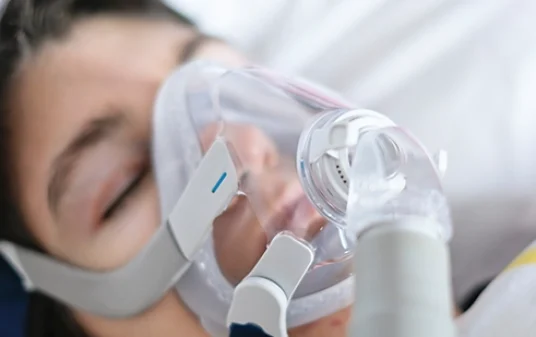
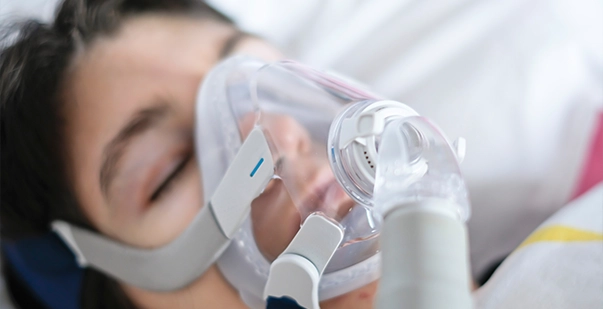
Each mask style supports a different breathing pattern. Nasal masks work for people who breathe through the nose. Full-face masks suit individuals who open their mouths during sleep. A proper fit ensures reliable airflow and prevents skin irritation.
- Humidifier Unit
The humidifier adds moisture to the airflow to reduce dryness in the nose and throat. Adequate humidity can prevent congestion, sore nasal passages, and early mask removal during sleep.
- Filters
Filters remove dust and particles from the incoming air to protect both the user and the device. Clean filters ensure smoother airflow and maintain the machine’s performance over time.
- Ramp Feature
The ramp function starts therapy at a lower pressure and gradually increases it to the prescribed level. This feature reduces pressure discomfort at the start of the night and allows smoother adaptation.
- Mode Controls (Spontaneous, Timed, Spontaneous/Timed)
These modes determine how the machine switches between inhalation and exhalation pressures. The spontaneous mode follows the user’s natural breathing rhythm. The timed mode delivers preset cycles when breathing becomes irregular. The combined mode adds backup timing only when the spontaneous pattern drops below the safe threshold.
How is BiPAP Different from CPAP?
BiPAP and CPAP machines look similar, yet the way they support breathing is different. A provider usually chooses one based on how the lungs behave, how steady the person’s breathing pattern is, and how comfortable they feel with pressure while exhaling. Here’s a clear side-by-side view that makes the differences easier to understand.
| Feature | BiPAP Machine | CPAP Machine |
| Pressure Levels | Two pressures: one for inhaling and a lower one for exhaling | One constant pressure throughout the entire breath |
| Comfort | Better for people who struggle to breathe out against steady pressure | Works well for many but can feel firm during exhalation |
| Primary Use | COPD, central sleep apnea, high carbon dioxide levels, CPAP intolerance | Obstructive sleep apnea in most patients |
| Breathing Support | Helps with ventilation and reduces carbon dioxide buildup | Keeps the airway open to prevent blockage |
| Modes | Spontaneous, timed, or spontaneous/timed based on breathing drive | Mostly fixed pressure with optional exhale relief features |
| Pressure Range | Wider range and higher maximum pressures | Standard pressure range often lower than BiPAP |
| Care Setting | Home use and hospital settings, including ICUs | Mostly home sleep therapy |
Who Should Consider a BiPAP Machine at Home?
Doctors prescribe BiPAP for people who cannot tolerate CPAP or who have conditions that require bilevel support. Sleep specialists recommend a PAP device after an overnight study or a targeted evaluation. Insurers often ask for proof that CPAP therapy failed before approving BiPAP for sleep apnea. Home BiPAP is required when a clinician confirms ongoing need and provides training on setup, mask fitting, and cleaning routines.
What Are the Clear Benefits of BiPAP Therapy?
BiPAP provides several measurable clinical advantages when used appropriately, such as:
- Lower Work of Breathing
Dual pressure settings reduce the effort required to inhale and exhale, which is especially important for people with weak respiratory muscles or COPD. The lower exhalation pressure significantly reduces respiratory muscle fatigue.
- Improved Ventilation and Gas Exchange
Higher inspiratory pressure increases airflow into the lungs, while lower expiratory pressure allows more effective removal of carbon dioxide. This pattern supports more stable blood gas levels over time.
- Better Airway Patency
Increased static pressure during inhalation helps keep the upper airways open. This reduces the risk of airway collapse in both central and obstructive sleep apnea, improving oxygenation throughout the night.
- Greater Comfort For Many Patients
Many people find it easier to breathe out against BiPAP’s lower expiratory pressure than against a constant single pressure. This physical comfort often translates into higher adherence and more consistent use.
- Reduced Need For Invasive Ventilation
In hospital settings, BiPAP can serve as noninvasive respiratory support that stabilizes patients without intubation. This lowers the risk of infection and complications linked to invasive mechanical ventilation.
- Fewer Hospital Days and Better Clinical Outcomes
Research in elderly patients and severe respiratory failure shows that BiPAP use is associated with reduced need for endotracheal intubation and shorter hospital stays when compared with conventional oxygen therapy.
- Improved Daytime Alertness and Quality of Life
Better overnight ventilation often leads to improved daytime cognition, less fatigue, and stronger exercise tolerance. People report improved mood and energy when BiPAP therapy matches their physiological needs.
- Support For a Wider Range of Conditions Than CPAP
Beyond obstructive sleep apnea, BiPAP is often recommended for hypercapnic respiratory failure, COPD exacerbations, and certain heart failure presentations where simply stenting the airway open is not enough.
What are the Risks of BiPAP Machines?
A BiPAP machine is safe for many people when clinicians supervise its use. Still, there are real risks to know.
- Barotrauma from excessive pressure is, though rare, with modern safeguards.
- Aspiration risk if a patient has poor airway protection.
- Worsening hypotension in fragile patients.
- Claustrophobia or intolerance to masks that leads to poor adherence.
- Inadequate ventilation if settings do not match the patient’s needs.
Patients with altered mental status, active vomiting, or facial trauma often require invasive ventilation instead. A skilled team assesses suitability before starting BiPAP.
When Should You Call Your Healthcare Provider?
Call your provider right away if any of the following happen:
- New or worsening shortness of breath.
- Chest pain or fainting spells.
- New confusion or altered mental status.
- Repeated vomiting or inability to protect your airway.
- Persistent mask pain or skin injury.
Your physician will decide whether to adjust settings, swap to CPAP, or consider invasive ventilation.
Make BiPAP Part of a Healthier Routine!
A BiPAP machine can change lives when chosen and managed properly. It gives targeted support for breathing in people who need more help than CPAP provides. The decision to use BiPAP should come from careful clinical assessment, monitoring, and realistic expectations. Know the benefits and the dangers of BiPAP machines. Ask questions. Keep communication open with your sleep or pulmonary healthcare provider.
Your health matters, and so does your ability to support others when they need immediate help. Take a CPR/AED course and build the kind of confidence that makes you ready when every moment counts.
FAQs
1. Why would someone need a BiPAP machine?
A BiPAP machine is used when a person can breathe on their own but cannot move air effectively enough. Conditions like COPD, high carbon dioxide levels, certain types of sleep apnea, and heart failure often require this two-level pressure support. BiPAP reduces the work of breathing and improves ventilation.
2. What’s the difference between a CPAP and a BiPAP?
CPAP gives one steady pressure for both inhaling and exhaling. BiPAP gives two separate pressures: a higher one when you inhale and a lower one when you exhale. This difference matters for people who struggle to breathe out against constant pressure or who need stronger ventilation support.
3. What is the next step after BiPAP?
The next step depends on the person’s condition. Some people transition back to CPAP if their breathing becomes more stable. Others continue BiPAP long term. A few may need invasive ventilation in a hospital if their breathing becomes too weak to manage with noninvasive support.
4. Does a BiPAP need oxygen?
A BiPAP machine does not produce oxygen on its own. It delivers room air at different pressures. Oxygen can be added if a provider prescribes it, usually through a port on the tubing. The decision depends on your oxygen levels and overall respiratory status.