A poison is any substance that can cause illness, injury, or death when it enters the body. Some poisons are harmful if swallowed or inhaled, while others can cause damage through skin contact.
Poisoning can happen in everyday situations.
Common Sources of Poisoning
- Alcohol or drugs
- Cleaning products and household chemicals
- Contaminated food or water
- Pesticides and fertilizers
- Poisonous plants (such as poison ivy)
- Toxic gases (such as carbon monoxide or chlorine)
Warning Signs of Poisoning
- Burning around the lips or mouth
- Trouble breathing
- Chest pain
- Dizziness or confusion
- Nausea, vomiting, or diarrhea
- Seizures
- Unusual pupil size
- Skin color changes
- Eye irritation or excessive tearing
How Poison Enters the Body
Swallowed
The most common type. Includes food, medications, alcohol, plants, and chemicals.
Inhaled
Gases or fumes such as carbon monoxide, chlorine, paint fumes, or sewer gases.
Absorbed
Through the skin. Includes chemicals, pesticides, and poisonous plants.
Injected
From bites, stings, or needles.
What to Do
- Check the scene for safety.
Do not enter an area with fumes or leaking chemicals unless it is safe. - Call 9-1-1 for serious symptoms or if the person is unresponsive.
- Call the National Poison Control Center at 1-800-222-1222 for guidance.
Be ready to provide:
- The substance involved
- How much was exposed
- When it happened
- The person’s age and weight
- Remove the person from the source of poison if it is safe.
- If poison is on the skin, remove contaminated clothing and rinse the area with running water.
- If inhaled, move the person to fresh air.
- Do not induce vomiting unless instructed by Poison Control.
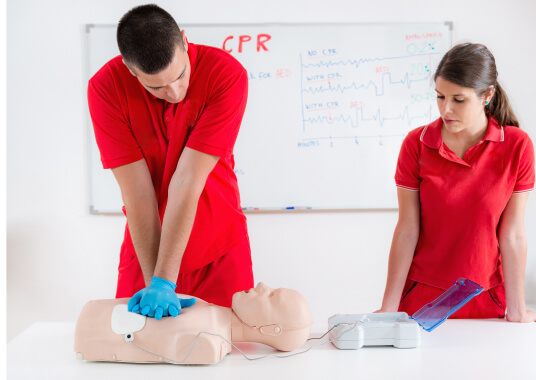
- If the person becomes unresponsive, begin CPR.







 (111,773 reviews with 4.8 stars)