Our healthcare CPR and First Aid course includes Adult, Child & Infant CPR and First Aid training. Receive your combo course certificate on your registered email ID. Read MoreOur course curriculum is comprehensive and rich in quality. It includes easy to learn and implement instructions designed by OSHA experts.Read Less
Chapter 16: Nervous System and Cardiac Emergencies
Some emergencies affect the brain and nervous system, and others affect the heart and circulation. Either way, fast action matters.
In this chapter, you’ll learn how to recognize common warning signs and what to do until EMS arrives.
Check the Scene + Call for Help
Assess the scene and make sure it’s safe.
Call 9-1-1 and follow dispatcher instructions.
Get a First Aid kit and an AED if available.
A. Cardiac Emergency: Heart Attack
A heart attack happens when blood flow to part of the heart muscle is blocked, causing damage to heart tissue.
Common signs and symptoms may include:
Chest discomfort (pressure, squeezing, pain)
Discomfort in the arms, back, neck, jaw, or abdomen
Shortness of breath
Nausea, sweating, dizziness
Confusion or feeling unwell
First Aid steps:
Call 9-1-1 immediately.
Keep the person calm and seated in a comfortable position.
Loosen tight clothing.
If the person has their own prescribed heart medication (like nitroglycerin), help them take it as directed.
Aspirin: If recommended by the dispatcher and the person has no allergy, no active bleeding, and no known reason to avoid aspirin, you may be instructed to help them take aspirin.
B. Nervous System Emergencies
1) Stroke
A stroke happens when blood flow to the brain is blocked or when a blood vessel in the brain ruptures. It often occurs suddenly.
Signs and symptoms may include:
Sudden severe headache
Dizziness, loss of balance, or trouble walking
Slurred speech or trouble speaking
Drooling or facial droop
Trouble understanding words
Weakness or paralysis on one side of the body
Loss of consciousness
First Aid steps:
Call 9-1-1 immediately.
Note the time symptoms first began.
Keep the person still and comfortable.
If the person becomes unconscious and you do not suspect head/neck/back injury, place them in the recovery position and monitor breathing.
2) Seizure
A seizure is abnormal electrical activity in the brain. It can look like mild shaking or strong convulsions. Most seizures stop within a few minutes.
Possible causes include:
Epilepsy
Head injury
Poisons
Missed medications
Low blood sugar
First Aid steps:
Clear the area—remove nearby objects that could cause injury.
Do not restrain the person.
Do not put anything in their mouth.
When the seizure stops, check breathing.
If vomiting occurs and you do not suspect head/neck/back injury, place the person in the recovery position.
Call 9-1-1 if the seizure lasts several minutes, repeats, the person is injured, pregnant, diabetic, or does not regain normal responsiveness.
3) Head and Spinal Injuries
Head and spinal injuries can affect movement, sensation, breathing, and alertness.
Possible causes include:
Falls
Sports injuries
Assault
Motor vehicle accidents (especially without a helmet)
Signs and symptoms may include:
Headache
Nausea or vomiting
Trouble walking or talking
Confusion or unusual sleepiness
Fluid or blood coming from the nose or ears
Numbness, weakness, tingling, or paralysis
First Aid steps:
Call 9-1-1.
Do not move the person unless the scene becomes unsafe.
Keep the head, neck, and spine as still as possible.
If the person vomits, protect the airway while minimizing head/neck movement.
If the Person Becomes Unresponsive
Check breathing.
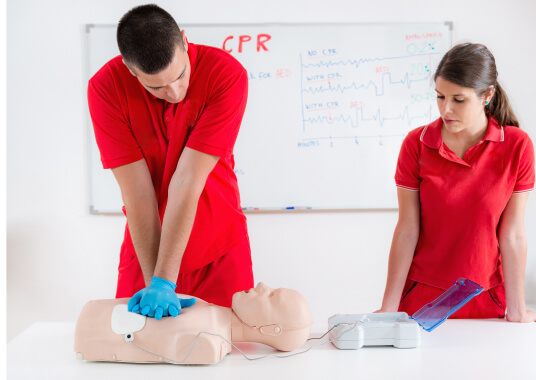
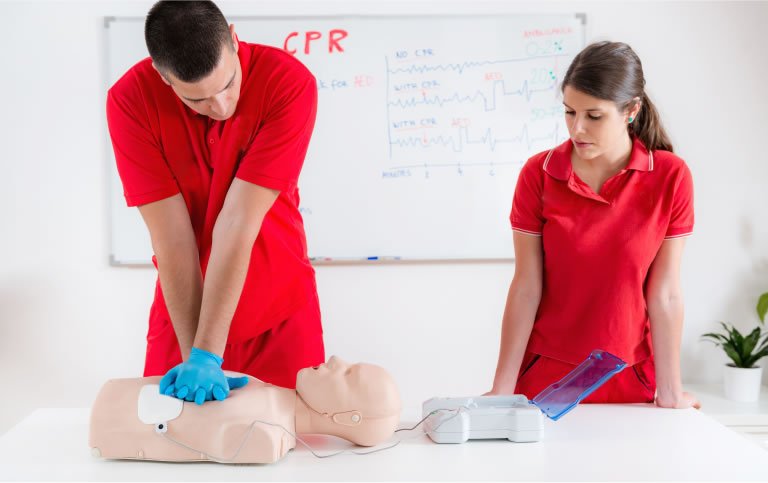
Begin CPR (or Hands-Only CPR if you are not trained in rescue breaths






 (111,773 reviews with 4.8 stars)