Bing Ads

2025 AHA CPR & ECC Guidelines Update

The American Heart Association (AHA) has released its 2025 CPR (Cardiopulmonary Resuscitation) and ECC (Emergency Cardiovascular Care) guidelines. This marks a major revolution in how lifesaving skills are taught and performed. The AHA reviews the latest clinical evidence and updates its recommendations to ensure the training reflects current knowledge and skills.

Disclaimer: This summary is intended for informational purposes only.

What’s New in the 2025 AHA CPR & ECC Guidelines?

Here are some important changes introduced:

  1. Compression-to-Ventilation Emphasis

    The primary focus is on high-quality chest compressions. However, there is greater emphasis on timely rescue breaths for trained rescuers. This phenomenon is especially true in non-cardiac situations such as opioid overdose or drowning.

  2. Updated Compression Depth for Children

    New research suggests a more precise compression depth of 1/3 of the chest diameter. It must not exceed 2.4 inches (6 cm) to reduce injury risk while maintaining effectiveness.

  3. Infant CPR Technique Adjustment

    The new recommended technique is using two-finger compressions for single rescuers, instead of thumbs encircling the chest, unless there are two rescuers present.

  4. AED Used for Children and Infants

    AHA now encourages earlier use of automated external defibrillators for infants under one year, especially if pediatric settings are available. It is smart and safe to use AEDs for younger patients.

  5. Opioid Emergency Response

    Due to the ongoing rise in opioid-related emergencies across the US, new guidelines now include training on naloxone administration.

Adult and Pediatric CPR Algorithm Updates

The algorithms have been refined for both adult and pediatric cardiac arrest, and here are the updates:

Adult CPR

The 2025 adult algorithm eliminates key decision-making steps and puts greater emphasis on the “CAB,” or Compressions, Airway, Breathing approach with real-time monitoring tools. Integrate AEDs earlier and maintain minimal pauses between compressions.

Pediatric CPRs

Pediatric updates align closely with adult sequences. It simplifies training for multi-age rescuers. After recognizing cardiac arrest, quickly transition to compressions, and use an AED for children and infants.

Read More

Updated AED Usage Guidelines for Children & Infants

Here are the updated guidelines of AED usage among children and infants.

Enroll in CPR/AED Course Online

Impact on CPR & AED, BLS, ACLS, and PALS Training Courses

Here is a summary of the impact of AHA update on CPR, AED, BLS, ACLS & PALS training courses:

CPR & AED (Community/Workplace)

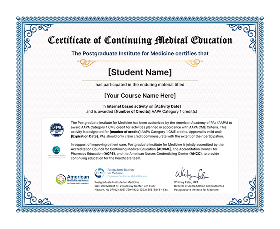
Certificate Sample

Course Content Updates

  • Recognize performing steps, such as checking responsiveness, calling for help, and using an AED, will be shorter.
  • Use hands-only CPR with clearer cues on when to add breaths.
  • Practice pediatric and infant CPR with pediatric pads placed front-back.

Certification & Testing

  • Written test aligned to 2025 AHA CPR/AED updates.
  • Hands-on skills check: compressions, breaths, AED application.
  • Pass both to earn two-year CPR/AED certification.
BLS (For Healthcare Providers)

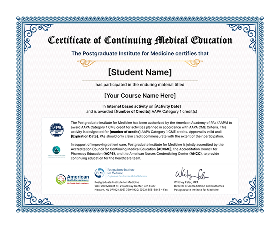
Certificate Sample

Course Content Updates

  • Team-based “high-performance BLS” drills with assigned roles (compressor, ventilator, AED, recorder).
  • Real-time feedback devices are recommended to improve the quality of chest compressions during CPR.
  • Prompt use of AED.
  • Timing is refined for airways and breathing to reduce interruptions.

Certification & Testing

  • The adult and pediatric skills sheets (rate/depth windows, recoil, and ventilation timing) have been updated.
  • Two-rescuer sequences and AED-first behaviors are evaluated explicitly.
  • Written exams will align with updated 2025 terminology and algorithms.

ACLS

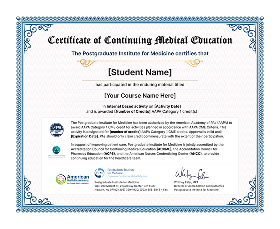
Certificate Sample

Course Content Updates

  • The algorithm cards have been revised to include streamlined paths for ventricular fibrillation/pulseless ventricular tachycardia (VF/pVT), pulseless electrical activity/asystole (PEA/asystole), and return of spontaneous circulation (ROSC).
  • Medication dosage and timing included in case sequences.
  • Reduced pause after peri-shock and compressor swaps.
  • Post-ROSC priorities and monitoring have been reinforced.

Certification & Testing

  • Megacode scenarios updated to reflect new decision points and shorter pauses.
  • Team communication and role clarity graded more tightly.
  • Written exam updated to align with algorithm and pharmacology tweaks.

PALS

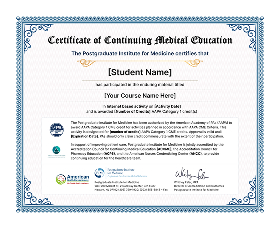
Certificate Sample

Course Content Updates

  • Pediatric cardiac arrest and respiratory failure algorithms simplified for faster action.
  • AED use for children and infants elevated (pads/mode selection, front–back placement for small chests).
  • Age-specific compression-to-ventilation ratios clarified and drilled.
  • Integration of feedback devices for pediatric compressions is available.

Certification & Testing

  • Pedi code simulations updated; evaluators score correct pad choice/placement and minimal interruptions.
  • Timing of airway/ventilation, epinephrine, and rhythm checks are altered.
  • Quizzes are refreshed with words that are pediatric-specific.
Explore Courses

How to Prepare for the 2025 Guidelines?

Are you unsure of how to prepare in advance? Here’s how you can stay compliant:

Register for Training

FAQs

1. When do the 2025 AHA guidelines take effect?

The official release is scheduled for October 22, 2025. Training centers will begin transitioning courses shortly after publication.

2. Will my current certification be a valid one?

Yes, if you are certified in 2020, then it will be valid until the expiration date mentioned on the card.

3. Do instructors need to retake exams?

No. Instructors will receive orientation and updated teaching materials from their training centers or AHA affiliates.

4. Will the updates have an impact on online courses?

The online programs will incorporate the new updates in their course modules. Once you renew, you will be compliant with the recent updates.

5. Will prices for certification change?

Course fees are generally determined by training providers, but most organizations keep pricing consistent during transition phases.

Contact Us

Resources

Your Update Starts Here

Join our list for release updates and course openings to stay prepared for any emergency. www.cpraedcourse.com is your trusted BLS, CPR, ACLS, and PALS training provider.Sign Up Now
register-today-img register-today-mob-img